

Get Ahead of the Design Curve.
Tutorials, tools, templates and inspiration for designers of any level. All free.
More resources are coming
Keep checking back for extra content to boost your design game.
The Design Assembly Workshop will be a continually growing hub of resources for designers of all skill levels. If you have any suggestions on content you’d like to see – get in touch through our contact page.
A DESIGN INTRODUCTION
Design is all around us, influencing how we interact with products, services, and spaces. From the apps on our phones to the buildings we inhabit, design shapes our experiences and perceptions. This workshop will introduce you to the principles and practices that underpin great design. Learn how to analyse, evaluate, and create designs that are not only visually appealing but also functional, accessible, and impactful.
Design is a language, and like any language, it has its own grammar and vocabulary. The basic elements of design – line, shape, color, texture, and space – are the building blocks of this visual language. Understanding how these elements interact and how to manipulate them is the first step towards creating impactful designs that communicate your message effectively.
History of Design
Design’s roots trace back to the dawn of civilization, when early humans crafted tools and adorned their surroundings with symbolic markings. Throughout history, design has evolved with cultural shifts and technological advancements. Ancient civilizations like the Greeks and Romans elevated design to an art form, creating architectural marvels and intricate artifacts that still inspire us today. The Middle Ages saw design flourish in illustrated manuscripts, stained glass windows, and grand cathedrals, while the Renaissance sparked a renewed interest in classical aesthetics and ushered in a golden age of artistic and typographic expression.
The Industrial Revolution marked a turning point, as mass production and consumerism fueled the rise of graphic design, advertising, and product design. The 20th century brought a whirlwind of artistic movements, each leaving its mark on the design landscape. Today, design permeates every aspect of our lives, shaping our digital interactions, physical spaces, and the products we use daily. From user interfaces to sustainable packaging, design continues to evolve, tackling complex challenges and pushing the boundaries of creativity.
THE DESIGN THINKING PROCESS
Design thinking isn’t just a methodology — it’s a mindset that puts people at the heart of problem-solving. Rooted in empathy and understanding, design thinking empowers you to tackle complex challenges by stepping into the shoes of your users.
The process unfolds in a series of iterative stages: empathizing with users to understand their needs and motivations, defining the problem based on those insights, brainstorming a wide array of creative solutions, building prototypes to test those ideas, and gathering feedback to refine and improve. This non-linear approach embraces experimentation, encourages collaboration, and ultimately leads to solutions that are not only innovative but also deeply relevant to the people they serve.
This free workshop is your one-stop shop for learning the essentials of design. From colour theory to UX principles, we've curated a collection of resources to help you build a solid foundation and take your work to the next level. No matter your experience level, there's something here for everyone.
EXPLORING THE WORLD OF DESIGN
Design encompasses a wide array of disciplines, each serving a unique purpose in shaping our world and enhancing our lives. Whether you’re drawn to the visual storytelling of graphic design or the problem-solving prowess of UX/UI design, understanding the diverse landscape of design can help you discover your niche and passion.
Here’s some of the many facets of design.
- Graphic Design: The art of visual communication. Graphic designers create logos, branding materials, posters, illustrations, and more to convey messages, tell stories, and captivate audiences. They wield colour, typography, and composition to make a lasting impact.
- UX/UI Design: The architects of digital experiences. UX (User Experience) designers focus on crafting intuitive, enjoyable, and efficient interactions with websites and apps. UI (User Interface) designers bring those experiences to life with visually appealing layouts, buttons, and other interactive elements.
- Web Design: The builders of online spaces. Web designers create websites that are both aesthetically pleasing and functional, ensuring a seamless user experience. They balance visual design with technical skills like HTML, CSS, and responsive design.
- Motion Graphics: The fusion of design and animation. Motion graphics designers create animated logos, title sequences, explainer videos, and other moving visuals that capture attention and communicate information in a dynamic way.
- Game Design: The creators of interactive worlds. Game designers develop the concept, mechanics, and visual style of video games. They combine storytelling, programming, and design skills to create engaging and immersive experiences for players.
- Illustration: The art of visual storytelling through images. Illustrators create original artwork for books, magazines, advertising, and more. They use a variety of techniques, from traditional drawing and painting to digital tools, to bring stories and ideas to life.
- Product Design: The creators of tangible solutions. Product designers develop physical products, from everyday objects to innovative technologies. They consider form, function, materials, and user needs to create products that are both useful and beautiful.
- Interior Design: The shapers of interior spaces. Interior designers create functional and aesthetically pleasing environments for homes, offices, and other spaces. They consider factors like layout, lighting, color, and furnishings to create a cohesive and inviting atmosphere.
- Fashion Design: The art of creating clothing and accessories. Fashion designers blend creativity with technical skills to develop garments that are both stylish and functional, reflecting cultural trends and individual expression.
- Industrial Design: The creators of mass-produced products. Industrial designers combine form, function, and manufacturing processes to develop everything from cars and furniture to appliances and electronics.
DESIGN FUNDAMENTALS
Every great design, whether a website, a logo, or a painting, is built upon a set of fundamental principles. Understanding these principles is essential for creating visuals that are not only aesthetically pleasing but also effective in communicating your message.
ALIGNMENT & BALANCE
Alignment creates order and visual flow by positioning elements along common lines or edges, while balance distributes visual weight evenly or asymmetrically to achieve a harmonious and stable composition.
CONTRAST
The juxtaposition of different elements, such as light and dark colours, large and small shapes, or thick and thin lines. Contrast adds visual interest, creates emphasis, and helps elements stand out.
EMPHASIS
The technique of making a particular element stand out as the focal point of a design. Emphasis can be achieved through size, colour, placement, or a combination of factors.
MOVEMENT
The path the viewer's eye takes through a design. Movement can be achieved through the use of lines, shapes, colors, and other visual cues that create a sense of flow and dynamism.
PROPORTION
The relationship between the sizes of different elements in a design. Proportion helps create a sense of harmony and balance, ensuring that elements feel visually connected and aesthetically pleasing.
REPETITION
The use of recurring elements, such as colors, shapes, or patterns, to create unity and consistency in a design. Repetition can also help reinforce a message or theme.
WHITE SPACE
Or negative space, is the empty areas around and between design elements. White space is essential for readability, visual balance, and creating a sense of elegance and sophistication.
FROM THEORY TO PRACTICE
Understanding the fundamental principles of design is the first step towards creating impactful and effective visuals. Here’s how to get started on your design journey:
Immerse Yourself in Visuals: Look at the world around you with a designer’s eye. Pay attention to the colours, shapes, typography, and layouts you encounter in everyday life. Visit art museums, browse design blogs, and follow talented designers on social media to expose yourself to a wide range of styles and approaches.
Learn the Lingo: Familiarize yourself with the key terminology of design. Understand concepts like colour theory, typography, hierarchy, and balance. This will help you communicate effectively with other designers and better understand the feedback you receive.
Start with the Basics: Don’t try to tackle everything at once. Focus on mastering one fundamental principle at a time. For example, start with colour theory and experiment with creating different colour palettes. Then move on to typography and practice pairing fonts and creating typographic layouts.
Practice Regularly: Design is a skill that requires practice to develop. Set aside time each day or week to work on design exercises and projects. The more you practice, the more comfortable and confident you’ll become with the fundamental principles.
Seek Feedback: Share your work with other designers or join online design communities to get feedback and constructive criticism. This can help you identify areas for improvement and learn from the experience of others.
Utilize Resources: There are a wealth of resources available online and in libraries to help you learn about design fundamentals. Explore tutorials, courses, books, and articles on topics that interest you.
Experiment and Play: Don’t be afraid to try new things and experiment with different styles and techniques. Design is a creative process, and there’s no single “right” way to do it. Allow yourself to explore and discover your own unique approach.
Remember, mastering the design fundamentals takes time and dedication. Be patient with yourself, embrace the learning process, and most importantly, have fun.
Give it a go with some of these simple challenges. There is no right or wrong, this is just for practice.


LATEST WORKSHOP ARTICLES



DESIGN INSPIRATION










DESIGN DISCIPLINES
What you’ll find in these sections:
- An Introduction to the Discipline
- Beginner, Intermediate and Advanced Resources
- Interactive Resources
- Tools for the Job
PRODUCT DESIGN
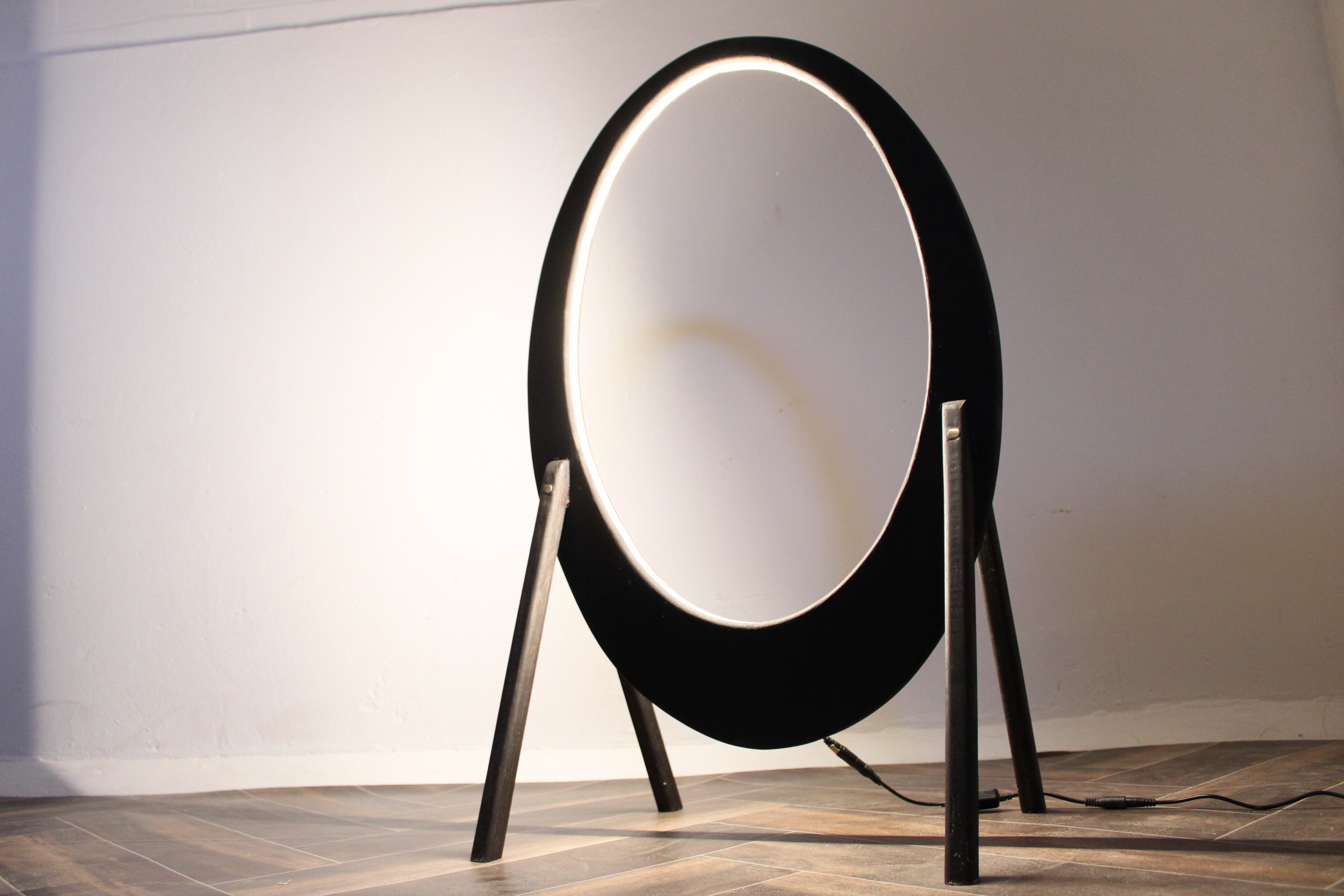
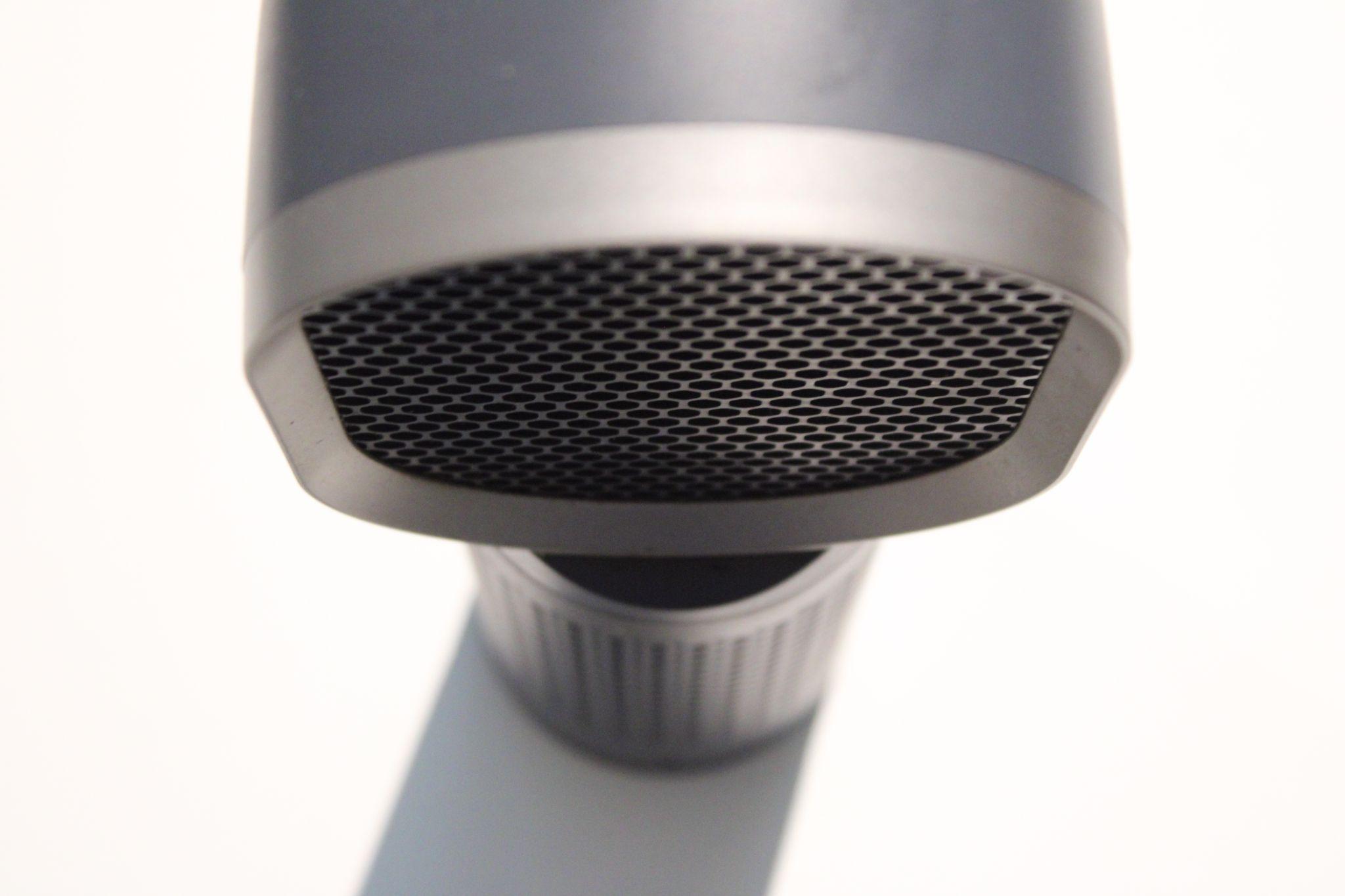
The process of creating and developing new products, combining user needs with business goals to make products that are both functional and appealing. This involves idea generation, prototyping, testing, refining, and ultimately launching the product to market.
GRAPHIC DESIGN
The art and practice of planning and creating visual content to communicate ideas and messages. This involves using elements like typography, images, and color to design things like logos, websites, advertisements, packaging, and more.
INTERIOR DESIGN
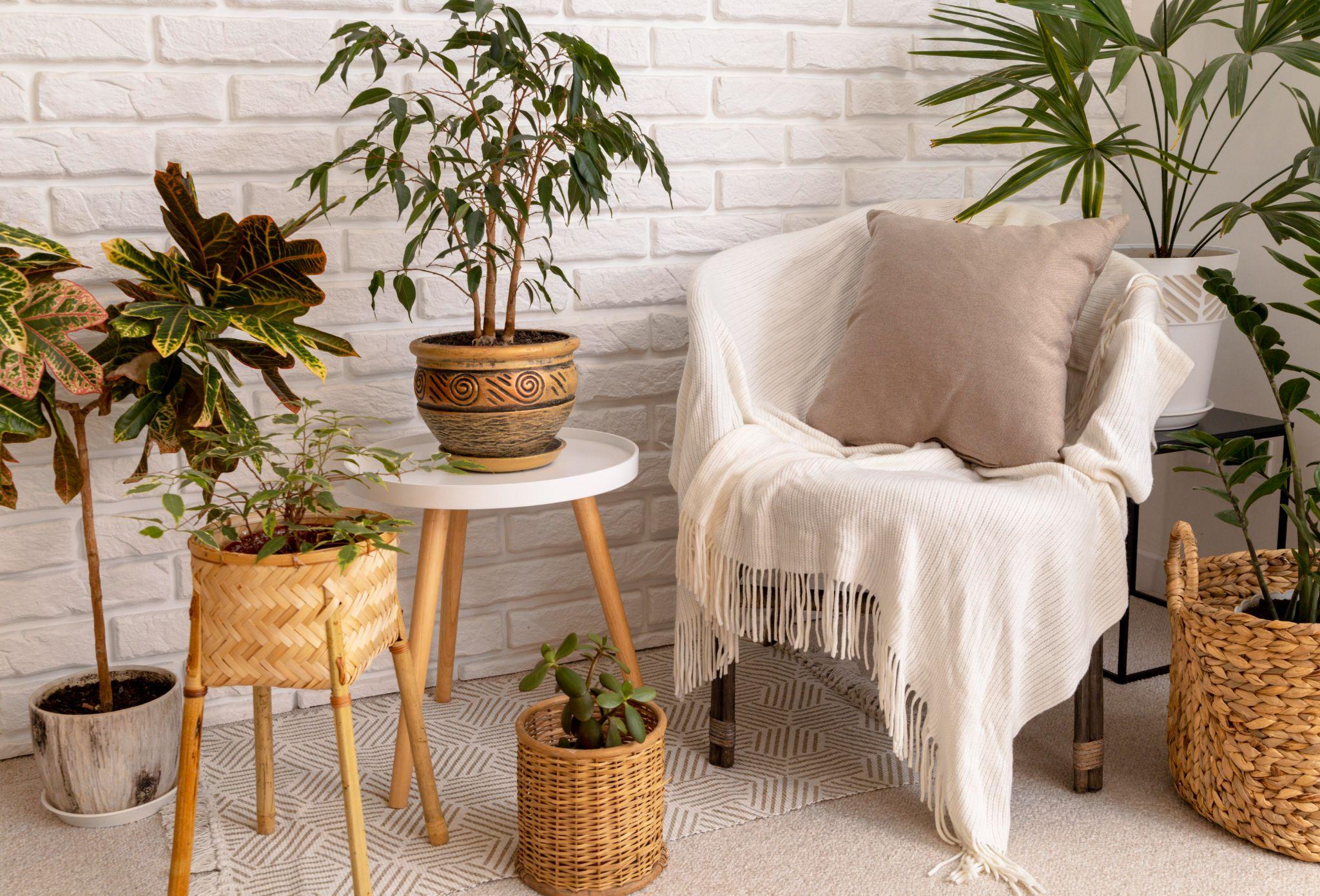
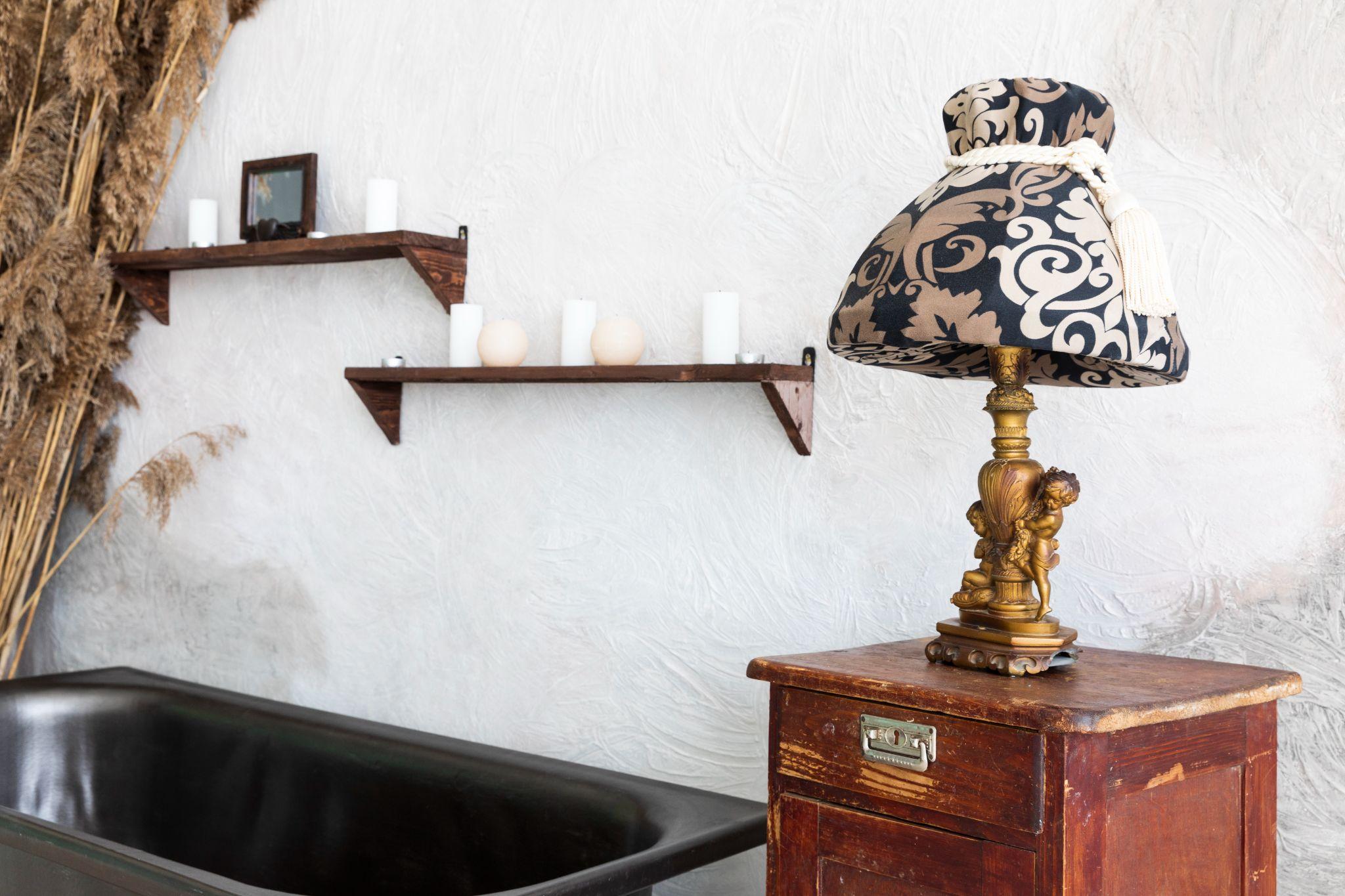
Interior design is the art and science of enhancing the interior of a building to create a functional and aesthetically pleasing space for the people using it. This involves selecting and arranging furniture, choosing colors and materials, and planning the layout of a room to achieve a specific atmosphere and purpose.
ARCHITECTURE
The art and science of designing and constructing buildings and other physical structures. It involves creating functional and aesthetically pleasing spaces that meet the needs of the people who use them, while also considering factors such as safety, sustainability, and cultural context.
ART
Art is a diverse range of human activities involving creative imagination to express technical proficiency, beauty, emotional power, or conceptual ideas. There is no universally agreed definition of what constitutes art, and its interpretation has varied greatly throughout history and across cultures.
SKILLS & CRAFTS
Encompassing a wide range of practical and creative activities that involve using one’s hands and knowledge to create or repair objects. This can include traditional crafts like woodworking, pottery, knitting, or metalworking.