
Skyscrapers, those titans of steel and glass that command our urban landscapes, are a testament not only to architectural ambition but to the remarkable journey of human ingenuity. From their relatively humble origins, they have become emblems of progress and audacity. Let’s look into the fascinating evolution of their skyscraper design.
Early Aspirations: Reaching for the Heavens
While far from the giants we know today, the seeds of vertical ambition have long been sown. Magnificent cathedrals, with their soaring spires, hinted at our desire to build ever upwards. In bustling cities, multi-story structures made the most of precious urban land, though nothing quite resembled the skyscrapers yet to come.
The stage was set in the late 19th century. Industrialisation swelled cities, straining available space. Fortuitously, the Bessemer process brought us affordable steel, and Mr. Otis’s clever safety elevator meant those upper floors were no longer an exhausting climb! These elements conspired to ignite a revolution in construction.
Steel Takes the Lead: Birth of a New Era
Chicago’s Home Insurance Building, completed in 1885, is often hailed as the world’s first proper skyscraper. Though a mere ten stories, its true innovation lay in the steel skeleton that bore its weight. No more cumbersome masonry, this meant more light, more space! It was a departure, a new language of architecture was being written.

The ‘Chicago School’ of architects seized upon this potential with relish. Structures like the Leiter II Building and Louis Sullivan’s celebrated Wainwright Building boldly embraced vertical lines and revealed their structure in their facades.
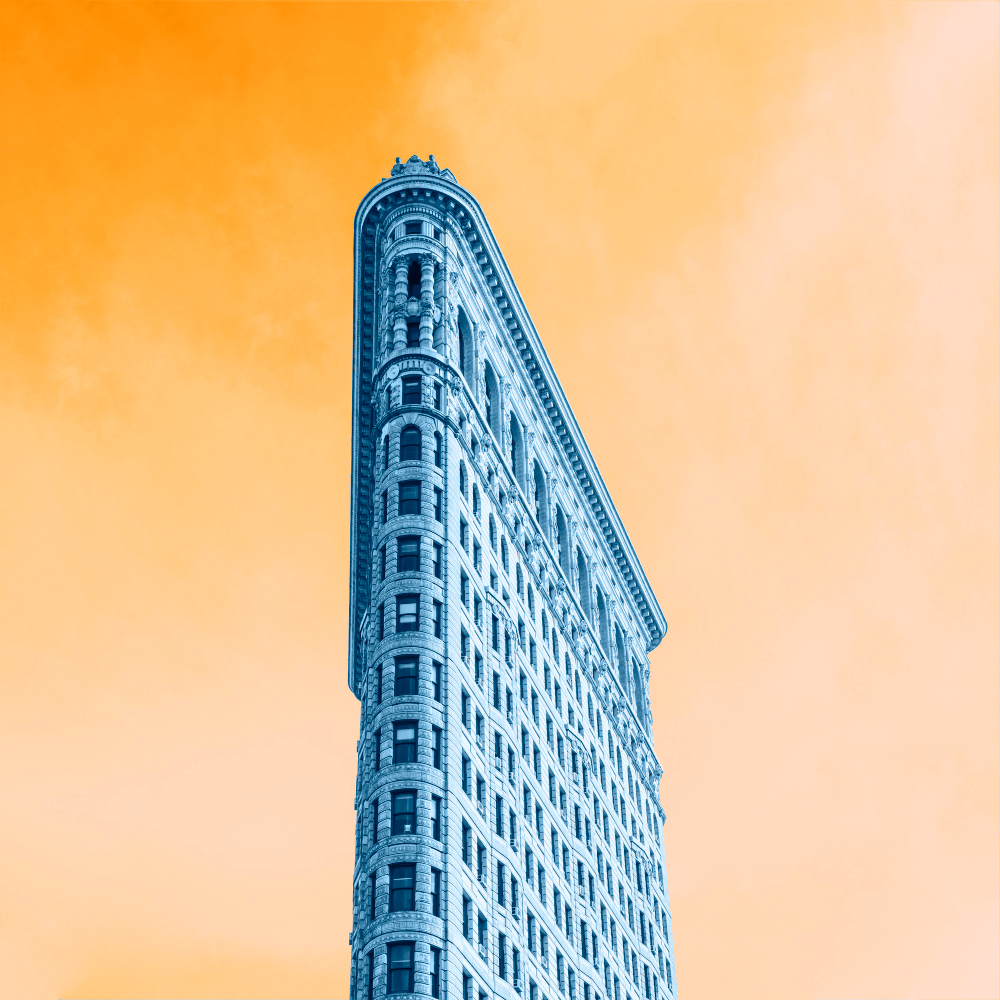
New York soon joined the fray. Think of the iconic wedge of the Flatiron Building, or the neo-Gothic splendour of the Woolworth Building. It wasn’t long before a thrilling rivalry of height erupted, culminating in the Chrysler Building and the majestic Empire State Building in the early 1930s.
Zoning Laws and the Elegance of Glass
It wasn’t all a free-for-all, mind you. New York’s 1916 Zoning Resolution sought to ensure these behemoths didn’t entirely block out the sun. Buildings began to step back gracefully as they rose, the Empire State being a splendid example of this Art Deco-influenced style.
Post-war, tastes shifted towards the International Style. Think clean lines, minimal fuss, and lots of glass! New York’s Lever House, with its sleek curtain wall system, embodies this era. It flooded interiors with light, a drastic change from older, more solid structures. Yet, some found this approach a bit soulless, its uniformity neglecting a sense of place.
Engineering Leaps and the Rise of the ‘Supertalls’
Ah, but the engineers weren’t asleep at the switch! Innovations like Mr. Fazlur Rahman Khan’s ‘tube system’ sent skyscrapers soaring. His Sears Tower (now the Willis Tower) in Chicago was a marvel when completed in 1973. The era of the true ‘supertall’ had arrived.
Concrete came into its own, adding strength to those vital cores, while ever faster lifts were crucial for viability at such dizzying heights.
The 21st Century: Sustainability in the Skyline
Today’s skyscrapers are wonders on several fronts. Designs balance bold aesthetics with energy efficiency. Green roofs, smart facade systems, and even integrated wind turbines all play a part. The race may now be less about raw height and more about intelligent, environmentally conscious design.

They are beacons of their time. Some find their colossal scale a touch intimidating, a symbol of corporate might over human scale. But it’s undeniable – when the evening sun catches those glass facades, transforming them into molten towers, it’s a spectacle that reminds us how far we’ve come from those early cathedrals and their dreams of heaven.
Skyscraper Design Around the Globe: A World of Shapes
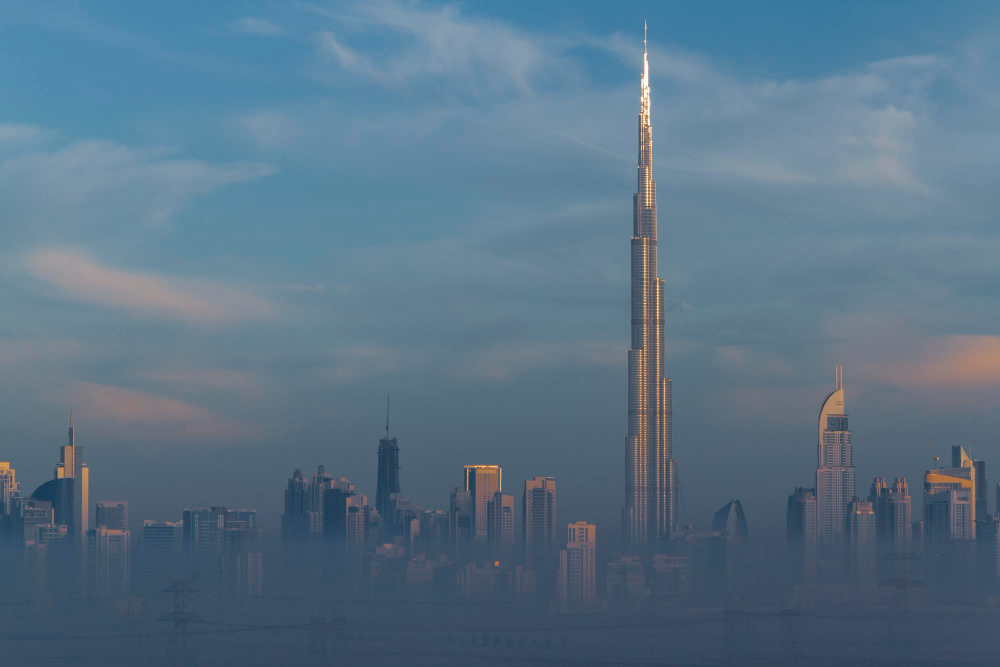
No longer confined to those early Chicago-New York rivalries, the skyscraper boom has thoroughly globalised. Dubai’s Burj Khalifa, currently the world’s tallest, pierces the desert sky at an astonishing 828 meters. It’s an engineering marvel, its twisting form inspired by a desert flower.
Asia has wholeheartedly embraced the skyscraper. Shanghai’s skyline is a forest of needles and spires, while the curvaceous Absolute World Towers in Canada, affectionately nicknamed the “Marilyn Monroe” towers, remind us that skyscrapers needn’t be all about strict lines.
Here in the UK, we’ve had a complex relationship with tall buildings. Yet, striking additions like ‘The Shard’ in London prove that British cities can embrace verticality with an eye for design flair.
Controversies and Criticisms
Of course, skyscrapers haven’t been without controversy. Some argue they cast long shadows, both literally and figuratively, disrupting the character of historic areas. Questions of affordability arise – are these sky-high homes the exclusive domain of the wealthy?
Critics point to instances where architectural flair perhaps outstrips practicality. There’s also the unavoidable issue of embodied carbon – the environmental footprint of the materials and construction process itself. These are valid concerns that today’s architects and urban planners must grapple with.
The Future: Ever Higher, or Back to Earth?
Will we build a kilometre-high tower? Could skyscrapers one day float amongst the clouds? The realm of concepts is full of such wonders. Yet, there’s also a growing call for a more human-scale urbanism; a focus on revitalising streets, building mid-rise structures, and creating vibrant neighbourhoods.
Perhaps the future won’t be a single direction. It could be a fascinating blend – the jaw-dropping spectacle of the supertall alongside a greater focus on the spaces in between where we actually live our day-to-day lives.
You May Also Like:
A Story of Ambition and Innovation
In the end, skyscrapers are physical manifestations of our relentless drive to build, to test limits, and yes, to leave our mark on the world. They’ve evolved through a captivating mix of architectural style, engineering brilliance, and the changing needs of our societies. Whether you love them or find them slightly unnerving, one thing is certain: the story of the skyscraper is far from over.