***This article contains affiliate links, The Design Assembly receives a small commission on purchases***
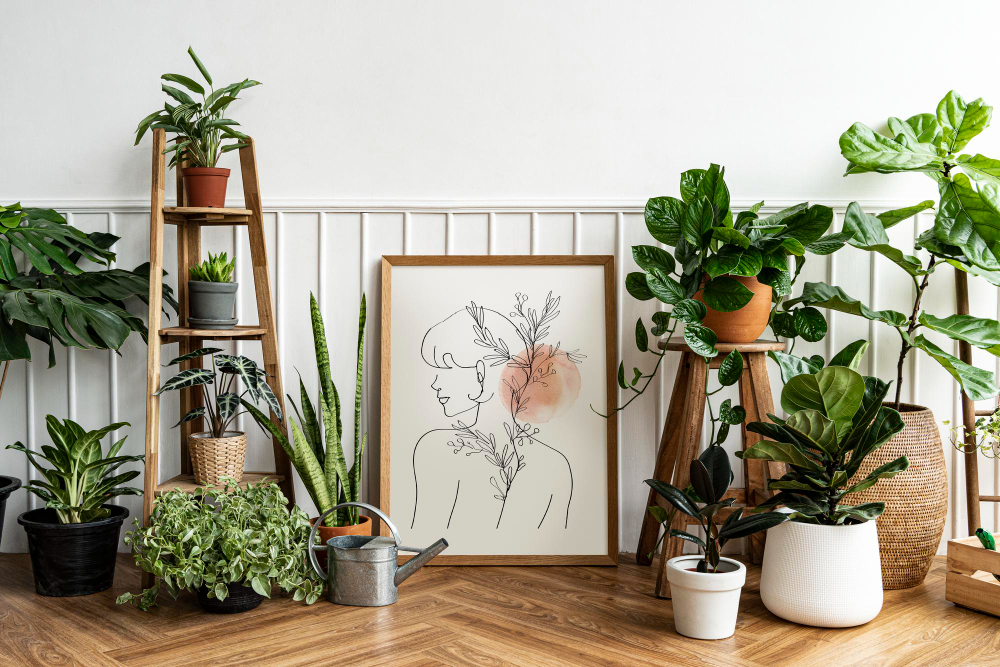
Plants are more than just décor; they’re living, breathing elements that can give a space life and personality. The right plants can transform a room from ordinary to extraordinary, adding colour and texture with a touch of nature. But the benefits of incorporating green friends into your home extends beyond aesthetics. Plants are nature’s air purifiers, filtering out toxins and releasing oxygen, creating a healthier and more refreshing environment. They’ve also been proven to reduce stress, boost creativity, and even improve sleep. This is why the best houseplants for interior design are the ones which bring a bold, statement look but also suite your needs.
Choosing the perfect plants for your home is not a one-size-fits-all task. It’s a delicate balance between aesthetics, practicality, and your own personal style. Are you after a dramatic focal point that commands attention? Or perhaps you’d prefer a subtle touch of greenery to soften the edges of your space? Whether you’re a seasoned plant parent or a budding enthusiast, this guide will help you navigate the verdant world of indoor plants and select the perfect specimens to enhance your home’s unique character.
Statement Plants: Bold and Beautiful
For those who aren’t afraid to make a statement, there are several show stopping plants that can instantly elevate your interior design.
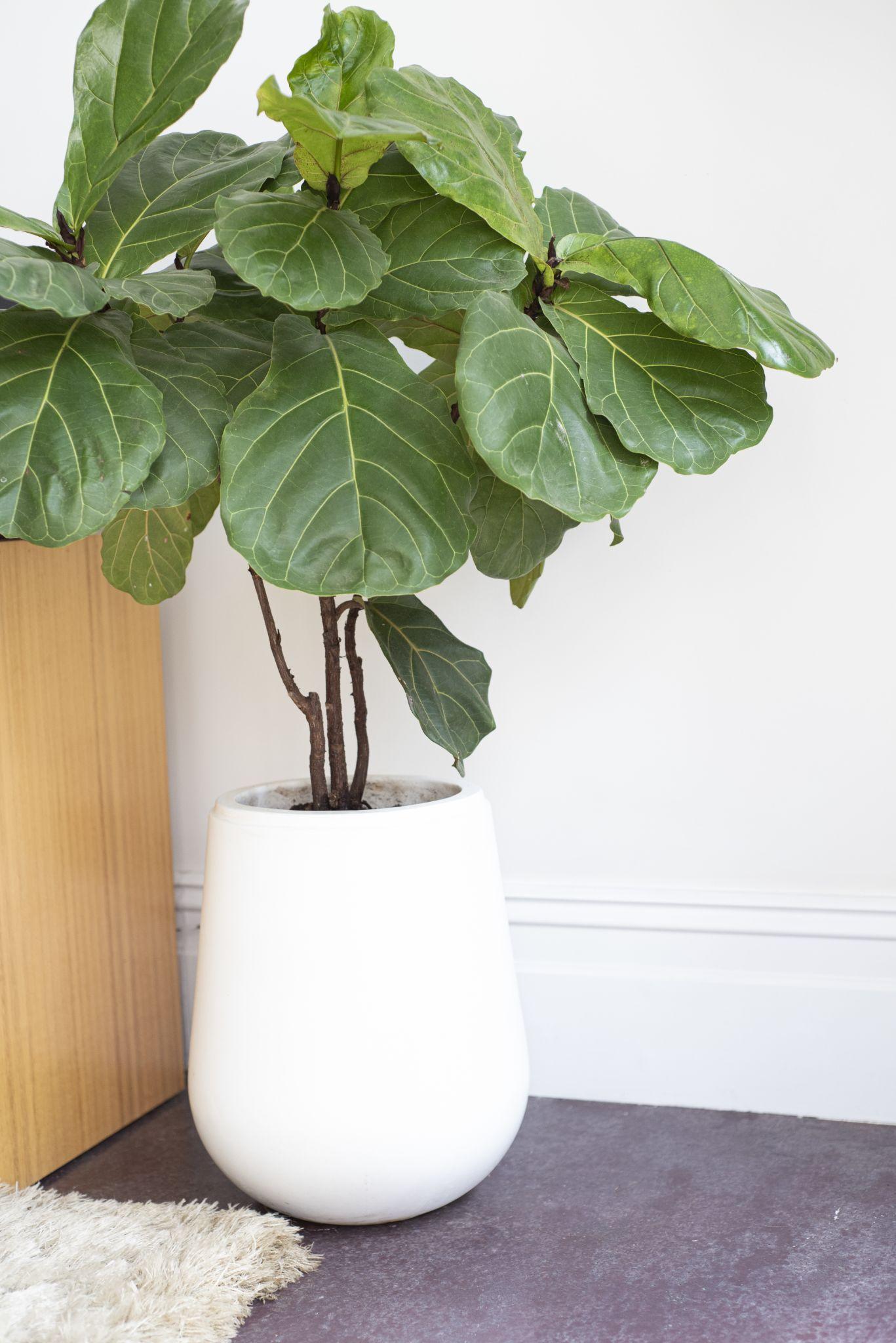
Fiddle Leaf Fig: With its broad, sculptural leaves, exudes an air of sophisticated elegance. Its towering presence can transform a corner into a captivating focal point.
Bird of Paradise: Adds a touch of exotic allure to any room with its striking orange and blue blooms.

Monstera Deliciosa: A must-have for its iconic fenestrated leaves and tropical vibe, popular for modern and bohemian interiors.

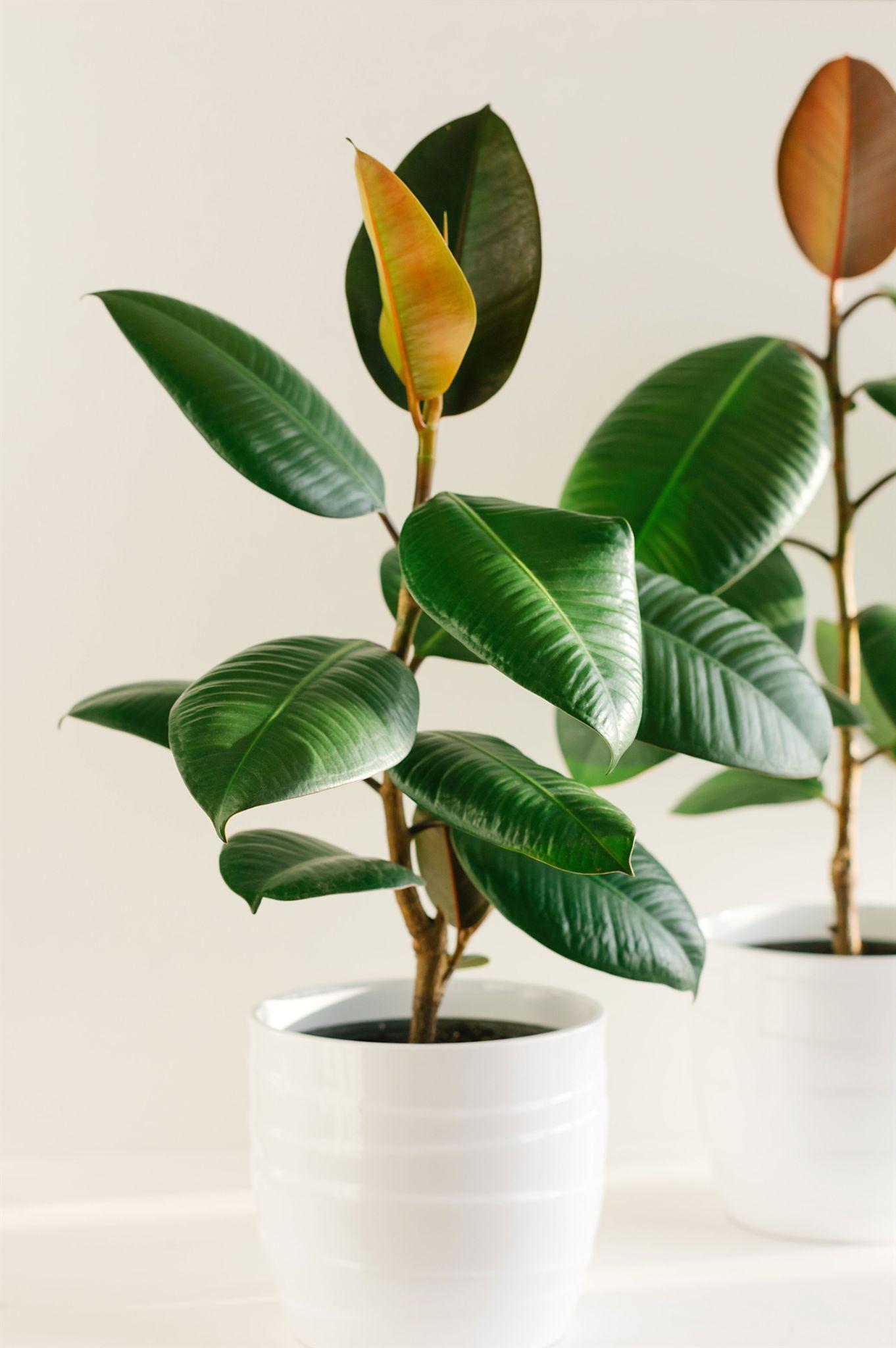
Rubber Plant: Offers glossy, leathery leaves in various colours, including deep green, burgundy, and variegated varieties.
Yucca Cane: Provides a striking architectural element with its tall, sword-like leaves and woody stems.

Dragon Tree: Features a unique silhouette with spiky, colourful leaves and a distinctive trunk.

Low-Maintenance Marvels: Greenery for Busy Bees
Not everyone has a green thumb, but that doesn’t mean you have to forgo the benefits of indoor plants. There are plenty of low-maintenance options that thrive on neglect.
Snake Plant: With its sturdy, upright leaves, tolerates low light and infrequent watering.

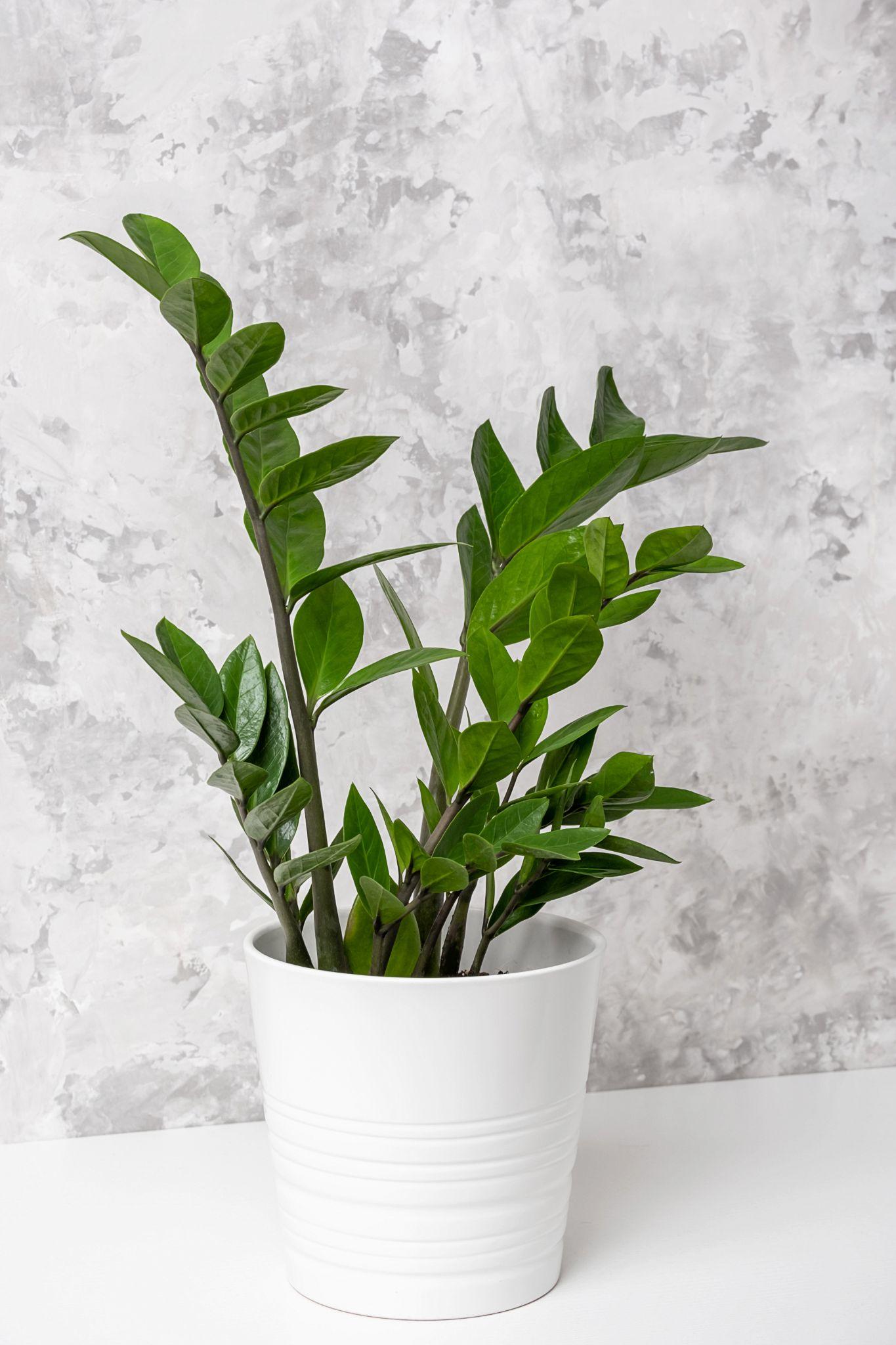
ZZ Plant (Eternity Plant): Can survive for months without water and thrives in low light, perfect for frequent travellers or busy individuals.
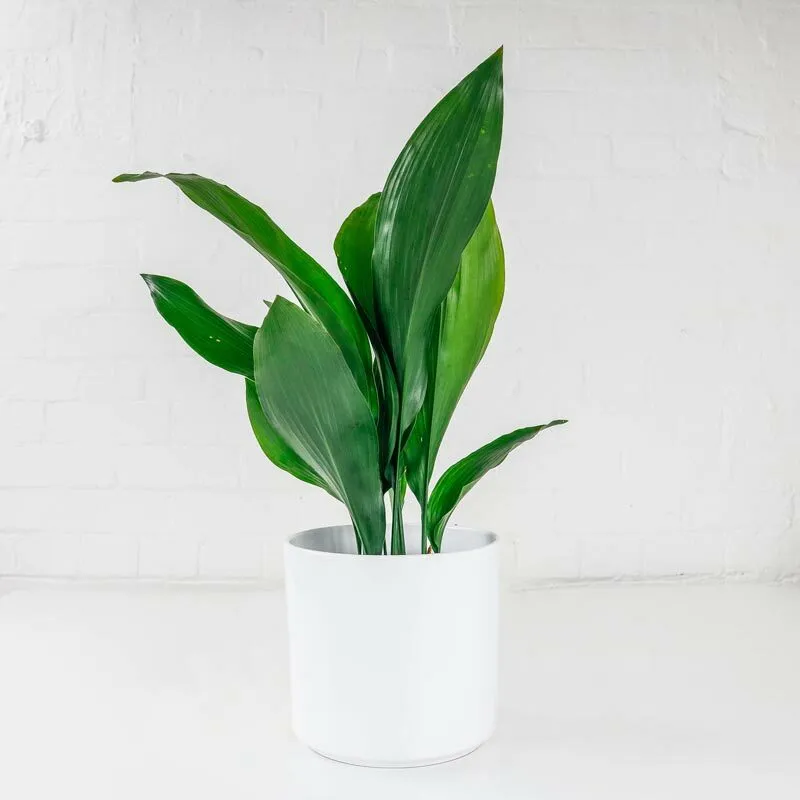
Cast Iron Plant: Extremely hardy and can tolerate a variety of conditions, including low light and neglect.
Air Purifying Powerhouses: Breathe Easy with Nature’s Filters
Beyond their visual appeal, certain plants possess a remarkable ability to purify the air, absorbing harmful toxins and releasing oxygen.
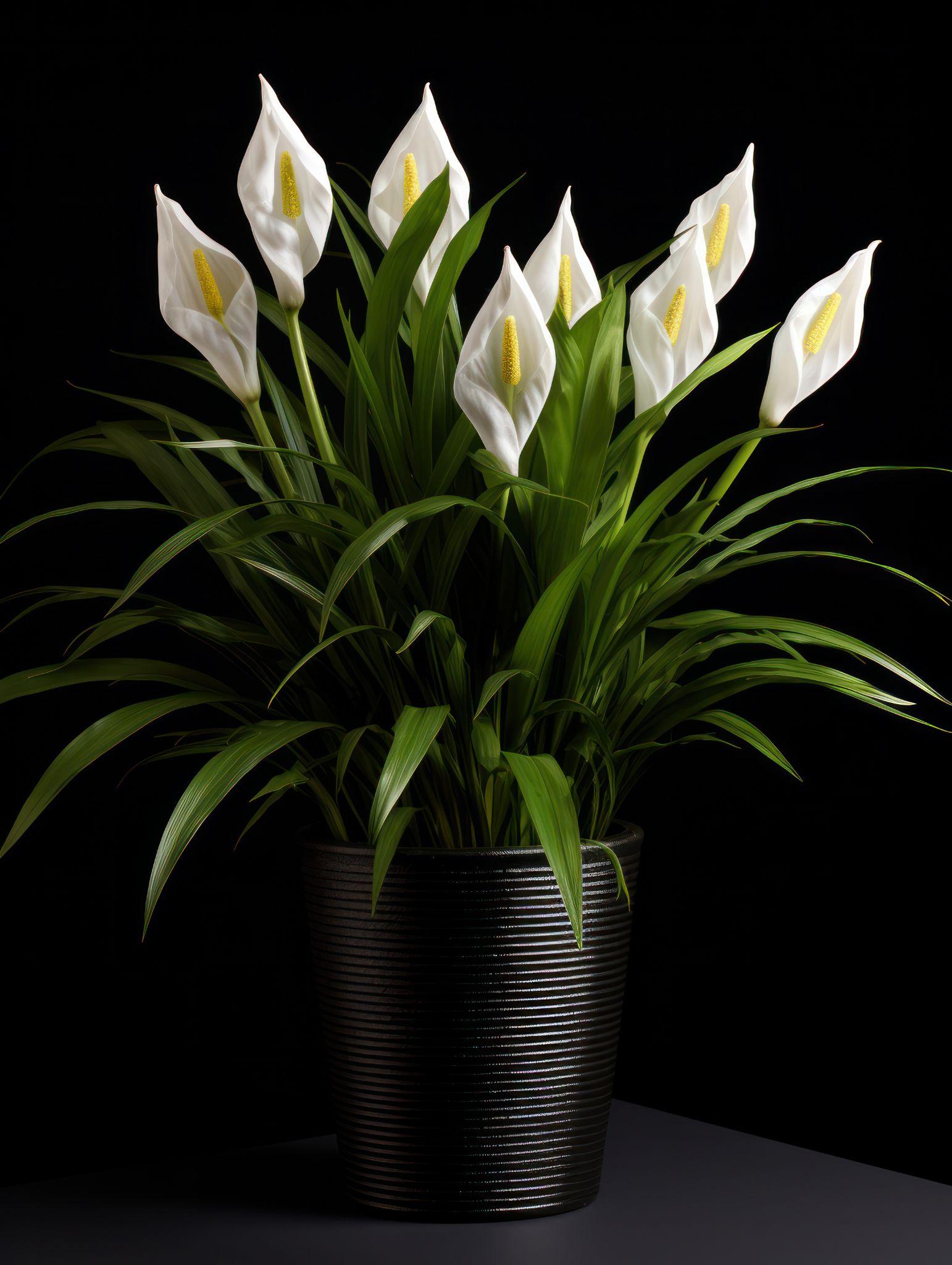
Peace Lily: Elegant white flowers and glossy green leaves, removes harmful chemicals like benzene, formaldehyde, and carbon monoxide.
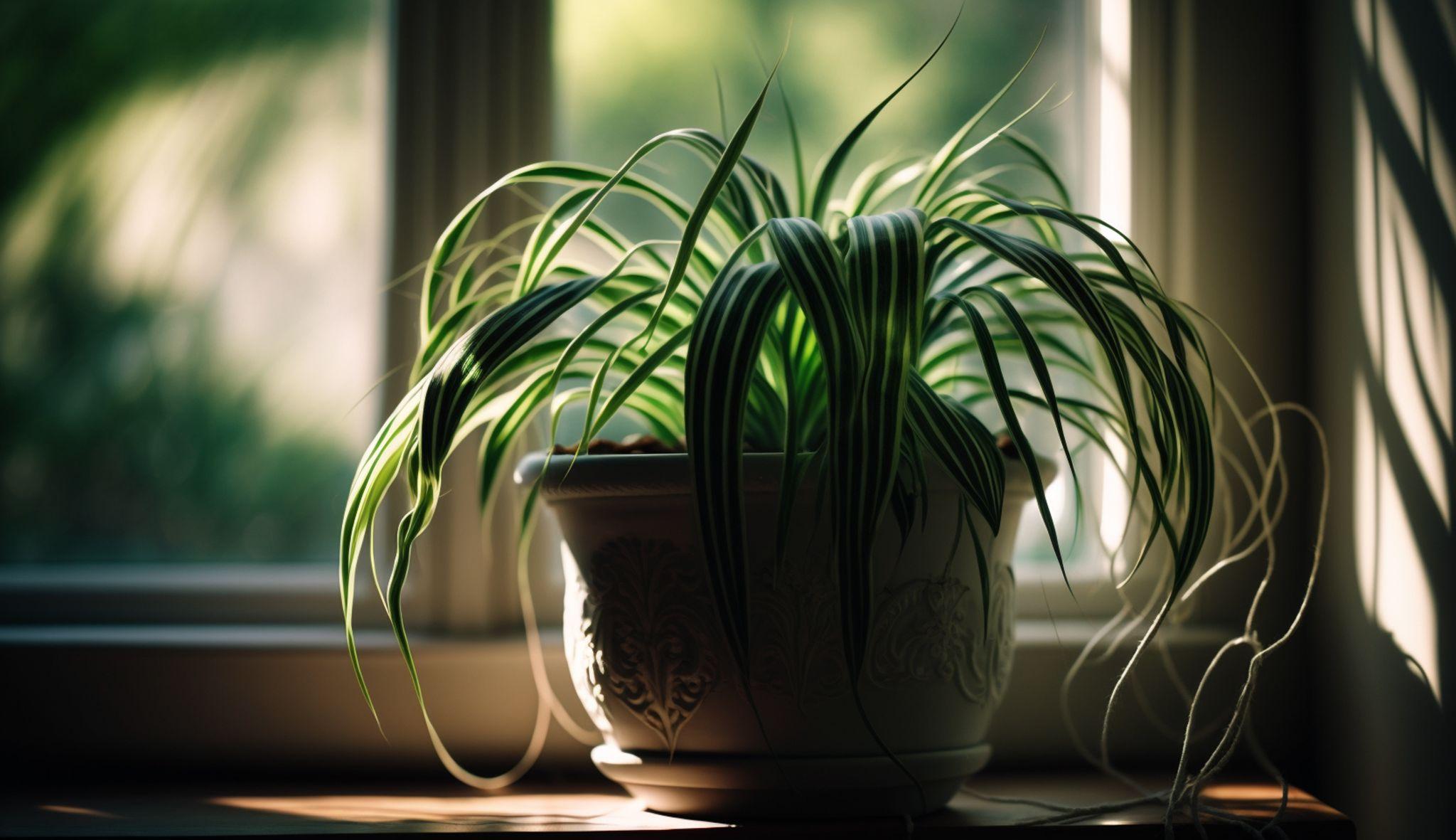
Spider Plant: Easy-going with cascading leaves and “spiderettes,” absorbs toxins like xylene and toluene.
Snake Plant: Effective at removing formaldehyde and benzene from the air, particularly at night.

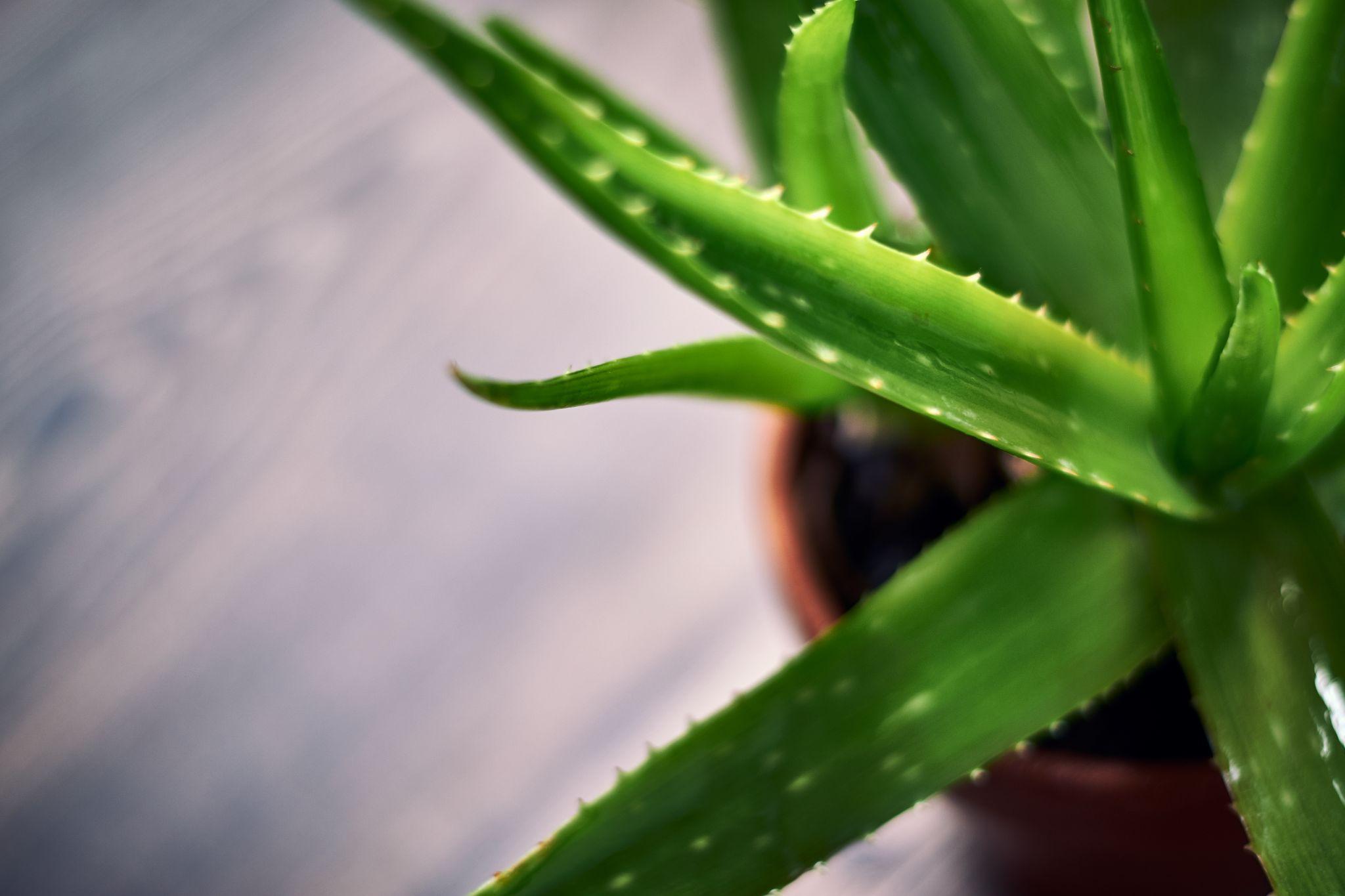
Aloe Vera: Known for its soothing gel, also helps purify the air from formaldehyde and benzene.
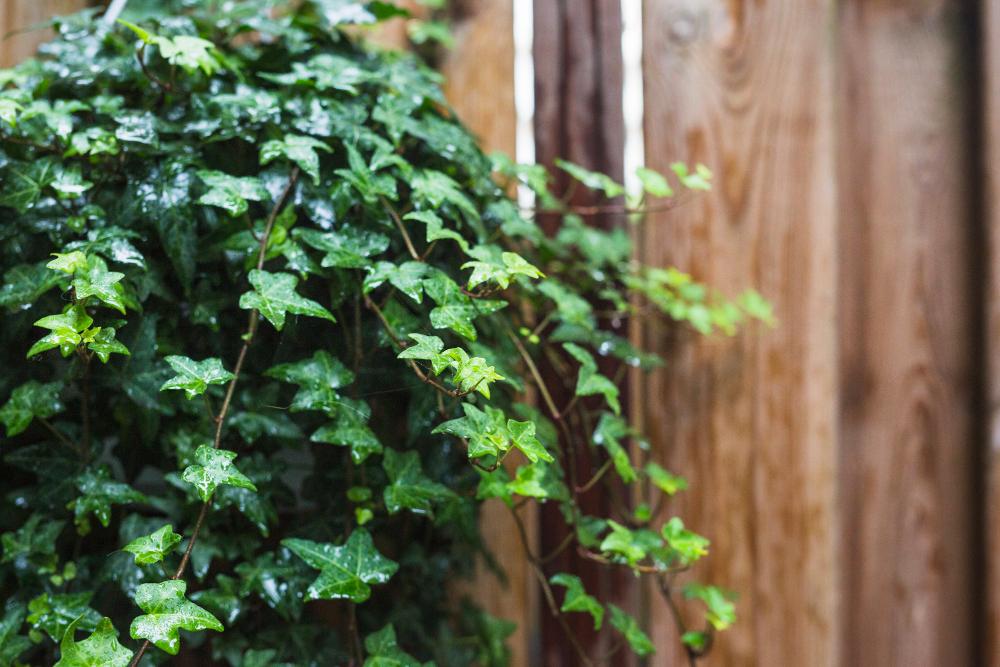
English Ivy: A popular trailing plant that helps to reduce airborne mould spores.
Cascading Beauties: Adding a Touch of Whimsy
For a touch of whimsy and romance, trailing plants are a delightful choice.
Pothos: Its heart-shaped leaves can be trained to climb or cascade, creating a lush, verdant display.

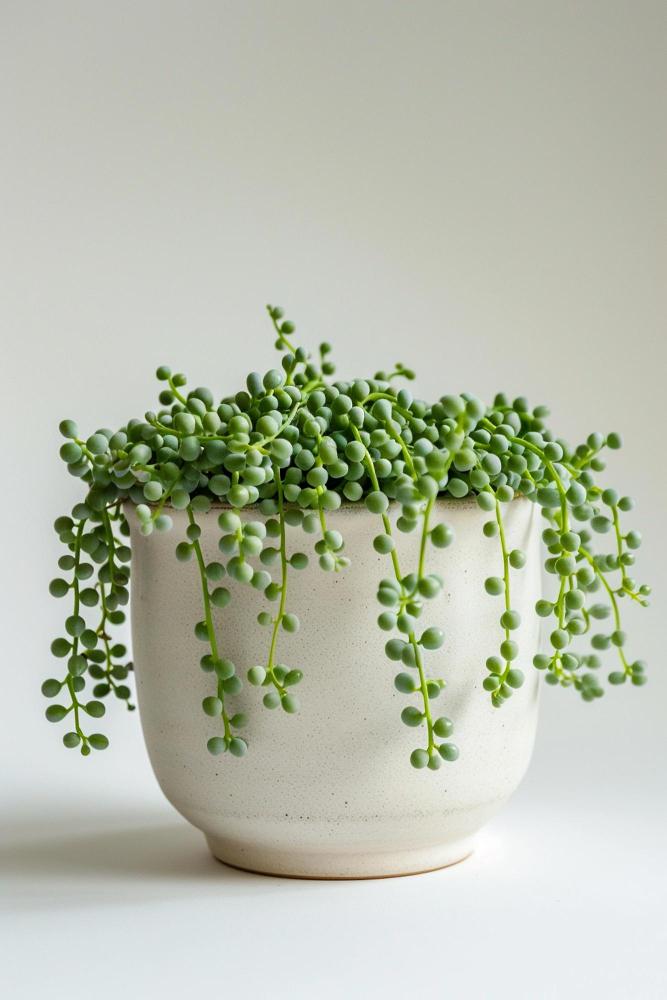
String of Pearls: With delicate, bead-like leaves, perfect for hanging baskets or shelves.
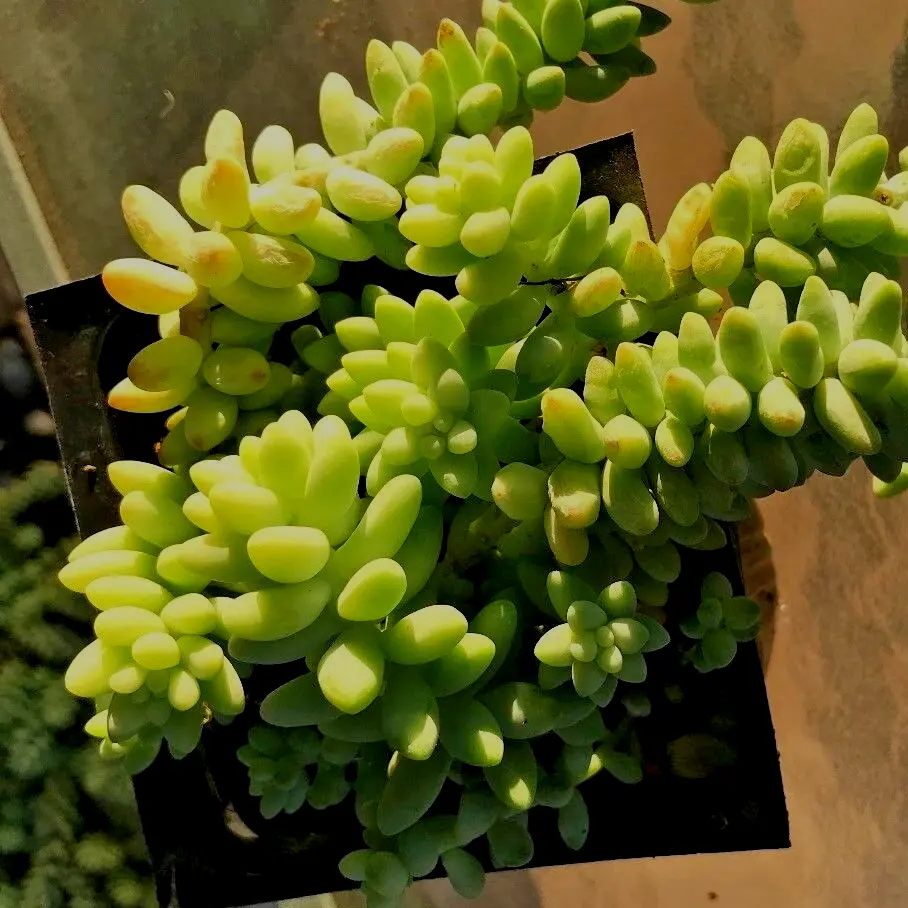
Burro’s Tail: Features plump, succulent leaves arranged on cascading stems.
Edible Delights: Beauty and Flavour
Why settle for just looks when you can have taste as well? Edible plants not only add visual interest but also offer a delicious harvest.
- Herbs: Basil, mint, rosemary, thyme, chives, and parsley thrive indoors and are easy to grow.
- Microgreens: Arugula, kale, radish, and other leafy greens can be grown quickly for a nutrient-packed addition to salads and sandwiches.
- Citrus Trees: Lemon, lime, and orange trees can be grown indoors with sufficient light and care.
- Dwarf Fruit Trees: Fig, olive, and pomegranate trees can be grown in containers and bear fruit indoors.
- Chilli Peppers: Add spice to your life with a variety of colourful and flavorful chilli peppers.
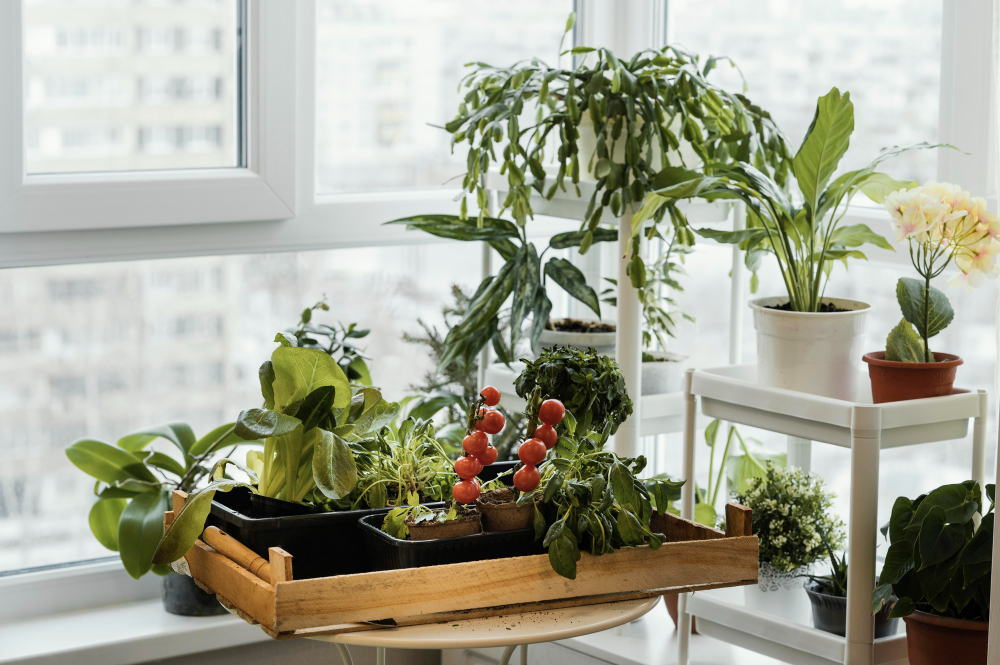
Plant Care Basics
Taking care of indoor plants doesn’t have to be complicated. By understanding their basic needs, you can ensure they thrive and bring life to your home. Here’s what to keep in mind:
- Watering: Most indoor plants prefer their soil to dry out slightly between waterings. Stick your finger an inch or two into the soil – if it’s dry, it’s time to water. Overwatering can lead to root rot, so be sure to let the water drain completely after watering.
- Light: Different plants have different light requirements. Some thrive in bright, indirect light, while others prefer low-light conditions. Observe your plants and adjust their placement accordingly.
- Humidity: Many tropical houseplants enjoy humidity. You can increase humidity by misting the leaves, grouping plants together, or using a humidifier.
- Fertilising: Feed your plants with a balanced fertiliser during the growing season (spring and summer). Be sure to follow the instructions on the fertiliser packaging.
- Repotting: When your plant becomes rootbound (roots fill the pot), it’s time to repot. Choose a pot that’s slightly larger than the current one and use fresh potting mix.
Troubleshooting Common Plant Problems:
Even with the best care, plants can sometimes experience issues. Here’s how to identify and address some common problems:
- Pests: Look for signs of pests like spider mites (tiny webs and speckling on leaves), mealybugs (white, cottony masses), or aphids (small, green insects). If you see pests, isolate the plant and treat it with insecticidal soap or neem oil.
- Diseases: Fungal diseases can cause spots, wilting, or rot. If you suspect a fungal disease, remove affected leaves and treat the plant with a fungicide.
- Yellowing Leaves: This can be caused by overwatering, underwatering, or nutrient deficiencies. Check the soil moisture and adjust watering accordingly. If the soil is dry, water the plant thoroughly. If the soil is wet, allow it to dry out before watering again. You may also need to fertilise the plant if the leaves are pale or yellowing.
- Drooping Leaves: This is often a sign of underwatering. Water the plant thoroughly and it should perk up within a few hours. If the leaves remain droopy, check for other problems like root rot or pests.
Plants for Specific Rooms
Choosing the right plants for each room can enhance the atmosphere and functionality of your home:
- Bedroom: For a restful sleep, consider plants like lavender, jasmine, or snake plant.
- Bathroom: High humidity makes bathrooms ideal for plants like ferns, orchids, or air plants.
- Kitchen: Grow herbs like basil, mint, rosemary, or thyme for a fresh supply of culinary ingredients.
- Living Room: Statement plants like fiddle leaf fig, bird of paradise, or rubber plants can add drama, while low-maintenance options like pothos or ZZ plants are great for busy households.
Styling Tips for Indoor Plants
Display your plants creatively to maximise their impact on your interior design:
- Grouping Plants: Create visual interest by grouping plants of different heights, textures, and colours.
- Using Different Containers: Choose pots and planters that complement your decor style. Mix and match materials, colours, and patterns for a unique look.
- Hanging Plants: Hang trailing plants like pothos, string of pearls, or English ivy to add greenery to vertical spaces.
- Incorporating Plants into Existing Decor: Place plants on shelves, tables, or window sills. Use them to fill empty corners or add life to bookshelves.

Where to Buy Indoor Plants
Finding healthy and beautiful indoor plants is easy with these options:
- Local Nurseries and Garden Centers: These offer a wide variety of plants and expert advice on care.
- Online Retailers: Convenient for those with limited access to local options, online retailers often have a wide selection of plants delivered to your doorstep. Also, many nurseries have an online presence nowadays! You may find them on sites like Amazon or eBay.
- Plant Swaps and Community Gardens: These are great ways to acquire new plants and connect with fellow plant enthusiasts. Consider joining online plant groups or attending local plant swaps to expand your collection and share your passion for greenery.
Pet-Friendly Plants: Safety First for Furry Friends
If you share your home with pets, it’s crucial to choose plants that are safe for their consumption. Many common houseplants can be toxic to cats and dogs, causing symptoms ranging from mild irritation to serious illness. Do thorough research or consult with a veterinarian to ensure the plants you bring into your home are safe for your furry friends. To read more on preparing your home for furry friends – read our article here.

The Best Houseplants for Interior Design: Creating Your Green Oasis
The key to successfully incorporating plants into your interior design lies in understanding the specific needs of each species. Consider the amount of light, humidity, and temperature each plant requires, and choose locations in your home that best suit their needs. Remember, plants are living beings that thrive on care and attention. By providing them with the right conditions, you can create a harmonious home where both you and your green companions can flourish.
Whether you’re drawn to the bold drama of the Fiddle Leaf Fig, the air-purifying prowess of the Peace Lily, or the whimsical charm of the String of Pearls, there’s a plant out there to complement your style and enhance your living space. So embrace the beauty and benefits of nature’s finest décor and transform your home into a verdant oasis.