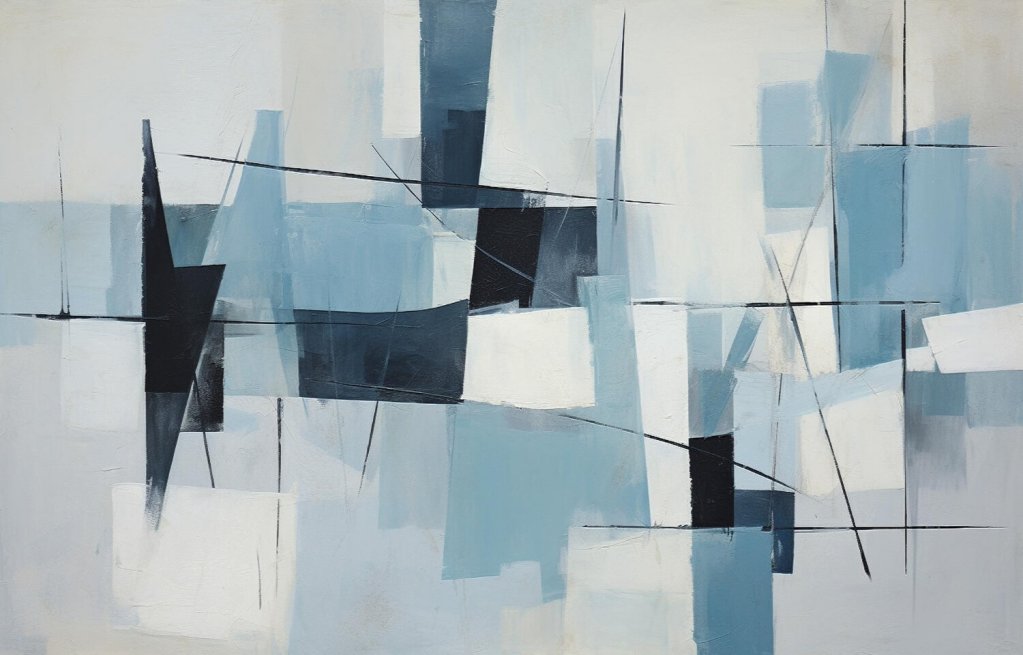
Museums can feel like grand repositories of the past. The endless portraits, the meticulously detailed landscapes – sometimes, even the most dedicated art enthusiasts experience a tinge of museum fatigue. However, imagine stumbling upon a room where stern-faced nobility gives way to explosions of colour, where familiar shapes and figures dissolve into enigmatic forms. This is the realm of abstract art, a world full of potential meaning and personal interpretation.
Table of Contents
Abstract Art Through History: From Impressionism to Today
Abstract art can be disorienting. Instead of familiar scenes, we’re faced with lines, colours, and shapes that don’t conform to our usual understanding of the visual world. Yet, it’s this very ambiguity that makes it extraordinary. Abstract paintings aren’t attempts at failed realism – they invite us to abandon preconceptions and to read into our own emotional vocabulary. That swirl of blue could be a turbulent soul to one viewer and a serene seascape to another. Both interpretations are valid!

To truly grasp the significance of abstract art, a bit of historical context is helpful. Picture the art scene at the turn of the 20th century – it was rather staid. Then movements like Impressionism, Cubism, and Expressionism boldly challenged the status quo. With their focus on individual perception and the raw power of emotion, they paved the way for abstract art’s bold departure from representation altogether.
Pioneering abstract painters like Kandinsky, Mondrian, and Malevich sought to create art that spoke directly to the soul. Kandinsky’s works, bursting with colour and movement, evoke a sense of spiritual experience. Mondrian’s grids and primary colours strive for universal harmony. Malevich, with his iconic “Black Square”, dared to reduce art to its most fundamental essence.
Is it Art? The Debate Surrounding Abstraction
The rise of abstract art wasn’t without its detractors. Traditionalists found the lack of recognisable forms perplexing, even infuriating. “My toddler could have painted that!” became a familiar (and remarkably enduring) critique. This scepticism taps into a fundamental question: What qualifies as art? Can a seemingly random arrangement of shapes and colours hold the same artistic merit as a meticulously rendered portrait?
Proponents of abstract art argue that it challenges ingrained expectations. It forces us to question how art functions, shifting emphasis from the depiction of the external world to the exploration of inner landscapes. The artist’s skill lies not in mimicking reality, but in the intentional use of colour, form, and composition to stir powerful emotions or provoke contemplation.
Decoding Abstract Art: Lines, Shapes, and Colours
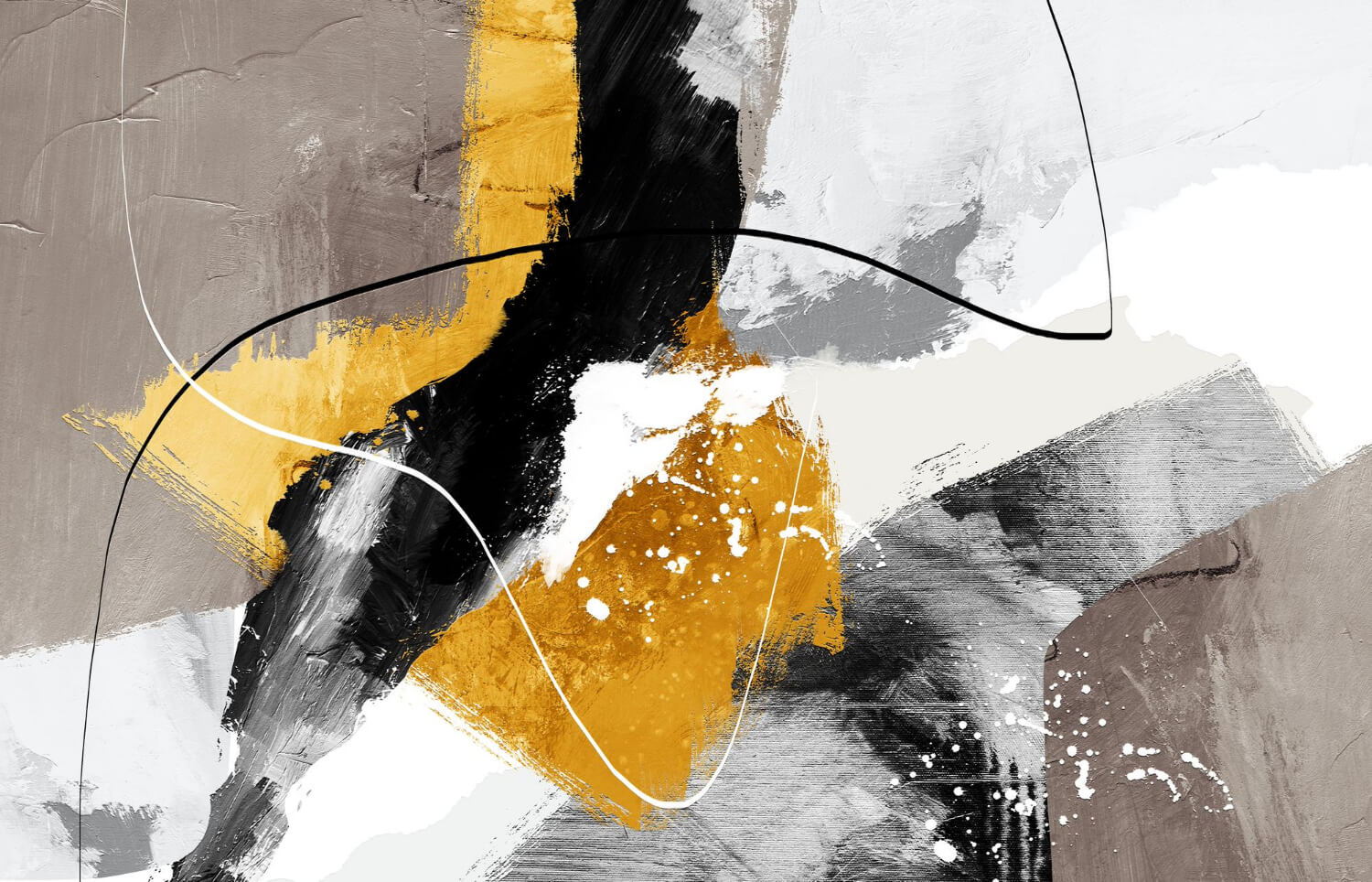
It’s a mistake to dismiss abstract art as aimless splashes of paint. Artists employ a visual language where elements like line, colour, and shape carry unique expressive power. A jagged line can convey struggle, while a field of blue evokes a profound sense of calm. Mark Rothko‘s immersive colour-field paintings transport viewers to a realm of pure emotion.
The Emotional Power of Colour in Abstract Art
Abstract art doesn’t stop at canvas! Sculptors like Brâncuși and Hepworth translate abstract principles into three dimensions. We even see a marriage of technology and abstraction in digital art, where form and colour morph and shift in enthralling ways.
Finding the Meaning Within
The true wonder of abstract art is that it becomes a reflection of the viewer. Unlike a traditional portrait, there’s no single, predetermined story. Instead, we are prompted to unravel layers of personal meaning within the artwork. Think of yourself as an investigator in this visual realm. Every brushstroke, every change in texture, becomes a clue to your own understanding.
Don’t be afraid to linger over a piece that captivates you. Analyse the interplay of colours, notice subtle changes in line weight, consider how the composition makes you feel. There’s no shame in admitting a work puzzles you at first – the act of contemplation is part of the experience.
Abstraction in the World Around Us

The principles of abstract art permeate our daily lives, often without our explicit awareness. The minimalist lines of contemporary architecture, the vibrant patterns of graphic design, even the way shadows fall across a city street – there are echoes of abstraction all around.
Your Invitation to Exploration
Next time you find yourself in a museum, don’t let the abstract room intimidate you. Instead, think of it as a doorway into a world of imagination and self-exploration.