

Our cities and towns aren’t simply defined by steel and stone, but by the spaces between them. Parks, squares, plazas – these are the places where communities breathe, where lives intersect amidst the bustle of the urban landscape. Now, imagine these spaces not merely as passive backdrops, but as dynamic stages inviting play, connection, and even a touch of the unexpected. Interactive design has arrived to do precisely that.
The Essence of Interactive Design
At its heart, interactive design is all about responsiveness. It transforms environments from static entities into ones that converse with us. Picture a wall ablaze with colours that shift in response to the sounds of the city, a seat that sings a gentle tune when occupied, or a projection that makes an ordinary facade dance with ever-changing patterns triggered by our movements.
Modern technology is the brushstroke upon this new artistic canvas. Sensors, projections, clever materials, and a sprinkle of artificial intelligence provide designers with an ever-expanding toolbox to reshape the public realm in surprising and engaging ways.
Why Make Our Spaces Interactive?
Perhaps you’re wondering what all the fuss is about. What’s the point of making a park bench talk back? Here’s the intriguing thing:
The Invitation to Play: Interactive design reminds us that even as proper, grown adults, a sense of playfulness contributes enormously to life’s richness. It encourages us to let our guard down and interact with our surroundings in unexpected ways.
Building Bridges: A cleverly designed interactive environment can draw out connections that might otherwise never have occurred. Strangers share a smile as they discover how to activate a sound sculpture together, families collaborate to paint a wall with light, and passersby spontaneously break into dance as their movements trigger a playful soundscape.

Awakening the Senses: We usually engage with public spaces visually – a handsome building, a well-tended flower bed. Interactivity adds layers of sensory stimulation. Touch, sound, and the delight of surprises engage us more fully.
Creating Points of Interest: Let’s be honest, some public spaces are more memorable than others. An interactive installation can transform an unremarkable corner into a destination, giving a community a unique identity and a point of pride.
The Healthful Nudge: It’s no secret we spend too much time with our eyes glued to screens. Interactive elements in the public domain can be a gentle invitation to move and explore, subtly promoting physical well-being amidst the enjoyment.
A Sampling of Intriguing Designs
The realm of interactive public space design is a wonderland for the curious mind. Consider these highlights:
“Shadowing” (London): Artist Jason Bruges Studio has designed a captivating installation that casts our real-time shadows onto a wall as we pass. The twist? The shadows have a long memory, fading slowly and overlapping to create a ghostly tapestry of those who have come before.
“Impulse” (Montreal): Picture a field of illuminated seesaws. Each one not only responds to its rider’s movements with ever-changing colours but affects neighbouring seesaws too, creating a playful symphony of light and encouraging collaboration and shared enjoyment.
“Your Voices” (Multiple Cities): Sometimes the interactivity lies in shared expression. Artist Rafael Lozano-Hemmer invites us to record messages, which are then projected as colossal beams of light into the night sky, transforming this vast shared canvas into a display of community voices.
“Digital Water Curtain” (Various Locations): The childhood dream of running through a wall of water without getting soaked is made real with these installations. Precision water jets create cascading waterfalls that are entirely permeable, allowing people to interact with the flow, creating shapes and leaving messages in their wake.
Keys to Successful Design
Of course, transforming parks and plazas into interactive playgrounds isn’t entirely without its challenges:
Built to Last: It’s one thing to wow the public at a temporary festival, but a whole other matter to design something that can withstand the relentless tests of weather and, it must be said, the occasional bit of enthusiastic misuse.
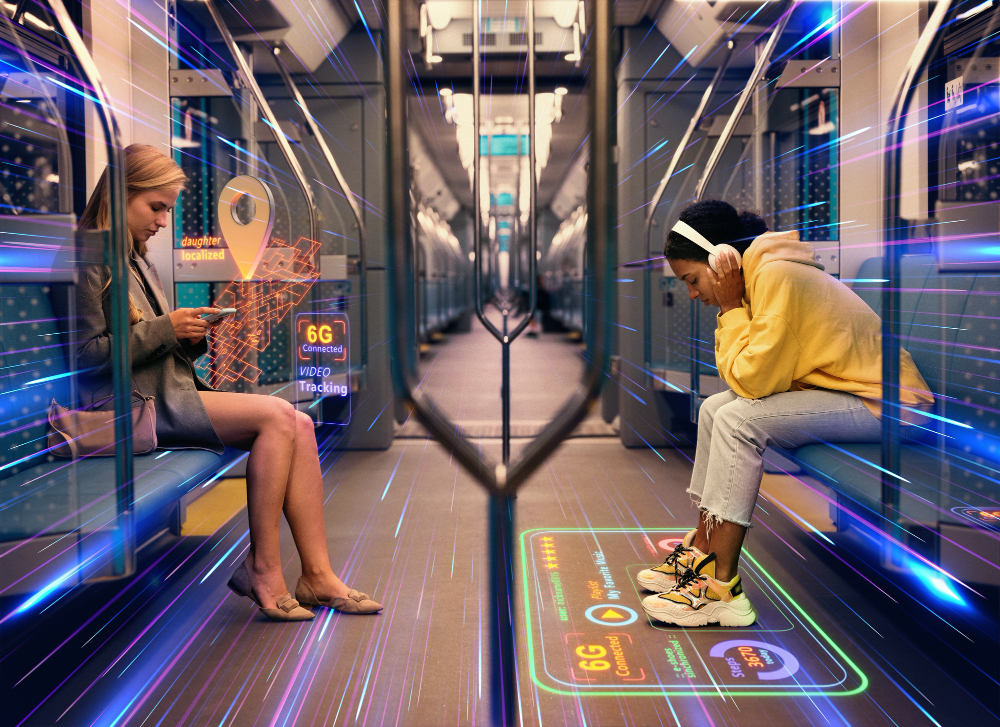
For Every Body: Interactive experiences should be accessible to the broadest range of people. Designers must consider not just physical limitations, but ways of engagement that welcome varying cognitive and sensory needs.
Staying Fresh: The novelty of an interactive installation can wear off quickly. Designs with the most lasting impact will find ways to surprise, evolve, or encourage new layers of interaction over time.
A Dialogue with the Community: Too often, public art is plopped down without truly considering its relationship to the area. Engaging local residents in the design process will cultivate a sense of ownership and a deeper connection to the end result.
You May Also Like:
The Ever-Expanding Horizon
It’s an exciting time to be thinking about the future of our shared spaces. As technologies like artificial intelligence and sensor technologies become even more refined and accessible, expect public installations to analyse weather patterns, respond to the size of a crowd, or even begin to ‘learn’ from the way we interact with them.
Let us not underestimate the power of our surroundings to shape how we feel, how we connect, and how we remember the spaces through which we move. Interactive design has the potential to shift public areas from the mundane to the marvellous, making them stages upon which life itself unfolds with an extra dose of delight.