
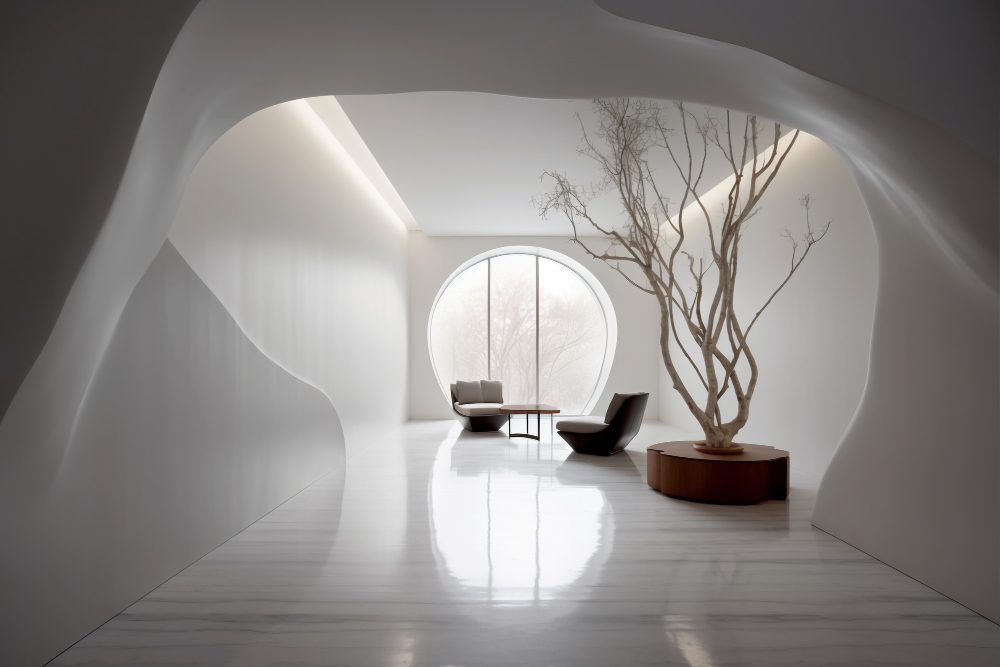
In an era brimming with distractions, where relentless visual clutter seems the order of the day, minimalist architecture offers a haven of calm. This design philosophy, ever so subtly echoing the broader minimalist art movement, places its faith in the idea that sometimes, just sometimes, ‘less’ can indeed be ‘more’. It strips buildings down to their fundamental forms, prioritising clarity, openness, and an intelligent use of materials and natural light. What emerges is an aesthetic of refined elegance, subtly pleasing to the eye and immensely soothing to the soul.
Principles of Minimalism in Architecture
A set of core principles guide minimalist architectural endeavours, lending it a distinctiveness all its own:
Geometrical Order: Minimalist buildings embrace the simple elegance of basic shapes – rectangles, squares, the occasional cube. Such forms impart a sense of structure and rationality, without the need for extraneous frills.
Functionality as Guiding Star: Superfluous adornment has no place here. Instead, design choices flow from a sincere respect for function. Each element must prove its worth, enhancing the space’s overall usability and atmosphere.
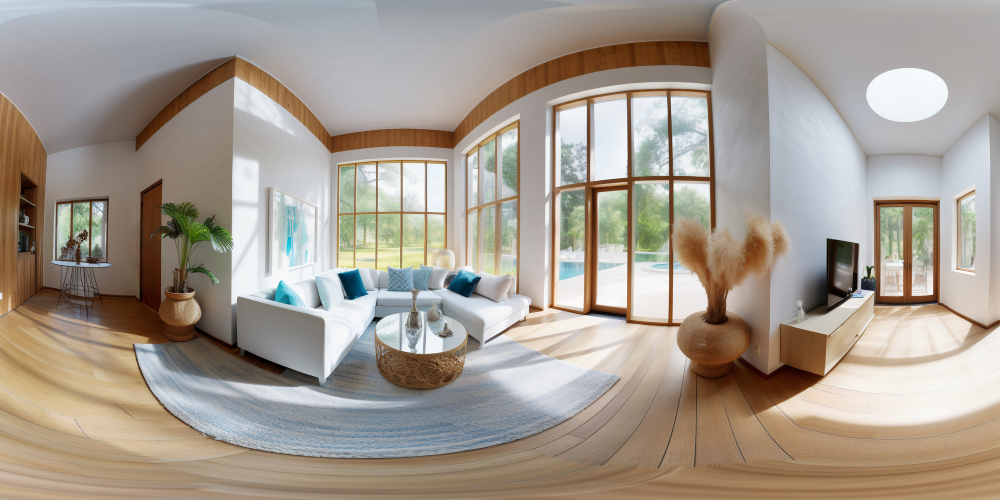
Space and Light in Harmony: Minimalist designs long for spaciousness. Airy interiors awash with natural light create a profound sense of openness and release. Generous windows and flowing spaces encourage a feeling of freedom rather than constraint. In these buildings, light itself becomes a vital design tool, accentuating shape and texture.
The Subtlety of Neutrals: White, beige, shades of grey and black dominate the minimalist colour palette. Such restrained choices reinforce the atmosphere of serenity and act as a quiet backdrop for the interplay of form and light.
A Celebration of Materials: Concrete, glass, natural wood, and stone often star in minimalist structures. Their inherent textures remain on full display, imbuing the environment with a pleasing tactility and a strong sense of honest, unpretentious beauty.
Why Minimalism Matters
Minimalist architecture offers both practical and psychological rewards, subtly enhancing the lives of those who live and work within its spaces:
Tranquillity by Design: With its emphasis on essentials, minimalism naturally fights against the accumulation of clutter. Visually pared-down spaces encourage mental clarity and a sense of inner peace. They become refuges from the busyness of the outside world.
Functional Flexibility: The minimalist focus on usability means that every element matters. Openness and adaptability are often prized, maximising space efficiency particularly in urban environments. Such spaces gracefully adapt to changing needs over time.
A Bridge to Nature: Minimalist spaces revel in blurring the lines between built structures and the outdoors. Flowing transitions to terraces or courtyards, and vast windows dissolve boundaries, promoting well-being and a sense of harmony with the natural world.
Craftsmanship Elevated: The focus on simple forms and honest materials means there’s simply no room for shoddy workmanship. Instead, minimalist architecture demands precision, highlighting the allure of objects and structures made with care, designed to last.
Historical Echoes and Contemporary Styles
Minimalist architecture carries within it the influences of past artistic and design movements:
The Serenity of Zen: The Japanese concept of wabi-sabi, with its appreciation of simplicity and natural materials, echoes deeply in the minimalist philosophy. The subdued palette and clean lines of traditional Japanese architecture often offer clear stylistic links.
De Stijl’s Geometry: The Dutch artistic movement of De Stijl championed geometric forms, abstraction, and a bold use of primary colour. You’ll find traces of that visual vocabulary in the striking geometric purity of some minimalist buildings.

Bauhaus and Functionalism: The revolutionary Bauhaus design school’s insistence that “form follows function” finds clear expression in the practical underpinnings of minimalist architecture.
While undeniably influenced by history, contemporary minimalist architecture adapts those influences with a modern sensibility. Today’s architects explore subtle variations of the style, often with an emphasis on sustainable building practices, a deep respect for local materials and the thoughtful integration of technology.
Minimalism in British Architecture
The minimalist aesthetic has found fertile ground in Britain, with architects across the country deploying the style with sophistication and nuance. Notable examples illustrate how minimalist principles can be adapted to British contexts, creating unique structures that are both striking and harmonious with their surroundings.
John Pawson: Celebrated as one of Britain’s foremost practitioners of minimalist architecture, John Pawson’s work embodies a sense of profound austerity and serenity. His notable projects, such as the Sackler Crossing in Kew Gardens and the Calvin Klein flagship store in New York, showcase a mastery of light, geometric form, and a meticulous selection of materials.
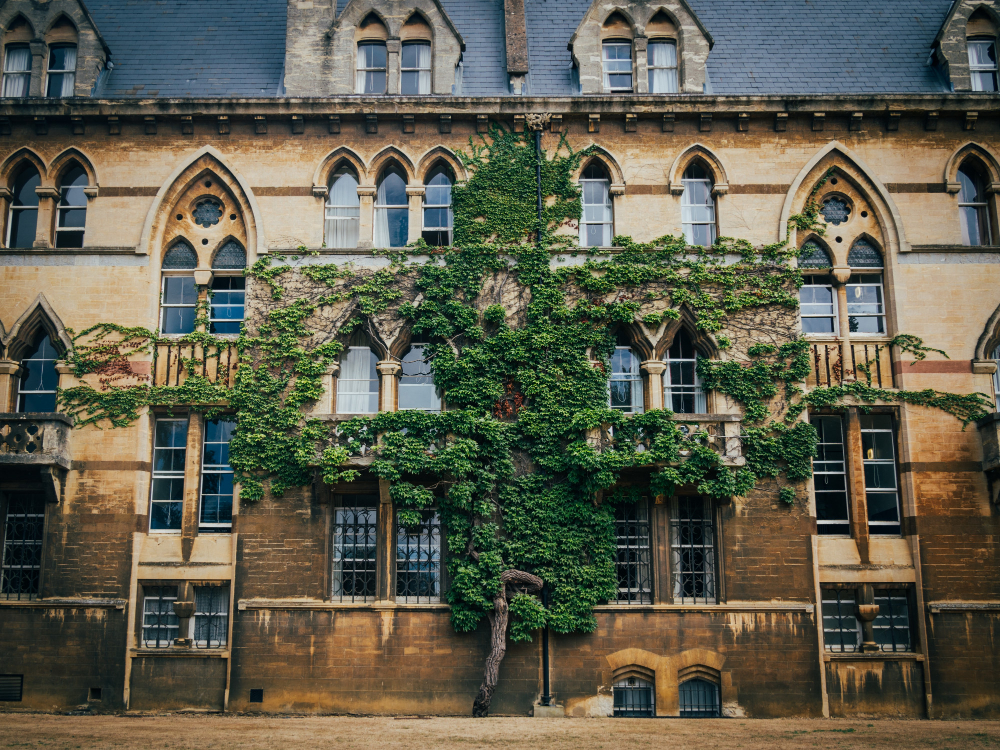
Carmody Groarke: The architectural studio Carmody Groarke explores minimalist sensibilities with a slightly more playful touch. Their projects such as the Windermere Jetty Museum and Maggie’s Cancer Centre Oldham artfully incorporate warmer materials and a more expressive use of natural light.
Emerging Voices: A crop of exciting, up-and-coming British architects embrace minimalist philosophies while pushing the style in innovative directions. Practices like Studio Ben Allen and Office S&M champion sustainable construction methods and a clever use of reclaimed or recycled materials, blending minimalism with a strong environmental ethos.
The Everyday Embrace of Minimalism
The appeal of minimalist architecture isn’t limited to grand, public structures. Its principles translate beautifully into everyday living spaces, both big and small. The minimalist approach is increasingly being adopted for:
Home Interior Design: Decluttering, paring down possessions, and adopting a more subdued colour scheme create calming interior environments, echoing minimalist architectural principles on a domestic scale.
Extensions and Renovations: Glass-box extensions, uncluttered floor plans, and a focus on natural finishes exemplify how minimalist concepts are incorporated into home renovations, adding space and light to existing structures.
Compact Urban Dwellings: Minimalism becomes an absolute necessity in small city homes. Multi-functional furniture, clever storage solutions, and an emphasis on maximising natural light are vital to create an inviting living space that avoids feeling cramped.
You May Also Like:
A Final Observation
Minimalist architecture, some might argue, is not for everyone. Its disciplined austerity and pared-down visuals can occasionally feel a touch stark. But at its best, the style offers an antidote to the relentless busyness of the modern world. It’s a testament to the enduring power of simplicity, light, space, and honest materials masterfully put together. And in our age of overstimulation, that kind of respite is nothing short of precious.