

An AI Introduction
Artificial intelligence, that marvel of the modern world, has infiltrated countless corners of our lives, and it continues to do so with astonishing speed. The design world is most certainly in its crosshairs. Tools with names that sound plucked from science fiction novels – DALL-E, Midjourney, Stable Diffusion – are conjuring up complex imagery from mere words. But is this a leap forward for creative work, or does it signal danger for the very essence of human ingenuity?

The Potential Benefits
It seems the most enticing aspect of AI is its sheer speed. Within minutes, it can produce multiple design options tailored to a client’s brief, saving designers valuable time during the idea-gathering stages. What’s more, AI makes design accessible to those without specialised skills. Imagine a fledgling entrepreneur, without the budget for a professional designer, using AI to produce social media graphics or a simple website.
The sheer unexpectedness of generated outputs can be surprisingly liberating for designers. These tools can nudge us beyond our well-trodden paths and familiar aesthetics, unveiling visual solutions we might not have stumbled upon using traditional methods. An architect could play with AI to explore unconventional building forms, or a graphic designer could dip a toe into AI-generated typography to inject fresh energy into a poster.
These tools can streamline the more mundane technical aspects of the creative process. Removing backgrounds from images, upscaling low-resolution graphics, or suggesting colour palettes that meet accessibility standards (you can read more about accessible design here)– these tasks can now be offloaded to our digital assistants. This frees up designers to spend more time refining ideas rather than wrangling with software.

AI in Action: Design Across the Globe
Don’t think of these tools in design as some far-off possibility relegated to the pages of science fiction. Here’s how it’s being used right now:
Bridging Design and Development: Companies like Airbnb are employing AI to close the gap between a designer’s initial sketches and production-ready code. AI systems are proving they can translate hand-drawn wireframes into the building blocks of websites and apps.
Tailored and Localised Design: Global behemoths like Netflix lean on generated imagery to personalise and tailor their artwork across different markets. AI algorithms help ensure that marketing materials resonate with diverse audiences, considering their unique cultures and languages.
Mass Customization: Even product design is feeling the AI effect. Remember Nutella’s campaign where an AI algorithm generated millions of unique jar designs? That’s a testament to AI’s potential for personalization at scale.
The Potential Concerns
However, alongside these undeniable benefits, AI’s integration into design raises genuine concerns. For one, it compels us to reassess the value of skills designers traditionally spend years honing. If AI can churn out impressive visuals in the blink of an eye, where does that leave illustrators, graphic artists, and typographers? This question underscores the need for designers to evolve and adapt, placing a higher value on the qualities AI can’t replicate.
AI-generated artwork often exists in a legal and ethical quagmire. Who can rightfully lay claim to ownership of a piece created primarily by AI? The person who crafted the prompt? The developers who created the system? The client paying for the work? Establishing clear guidelines for ownership and use will be crucial as these tools become more potent.
Lastly, there’s the lingering worry that if we come to rely on AI too heavily, a certain sameness might wash over design. AI models are trained on massive amounts of existing imagery. If we all turn to the same reference pools, will diversity, surprise, and those flourishes of regional design begin to fade?
Finding the Middle Ground
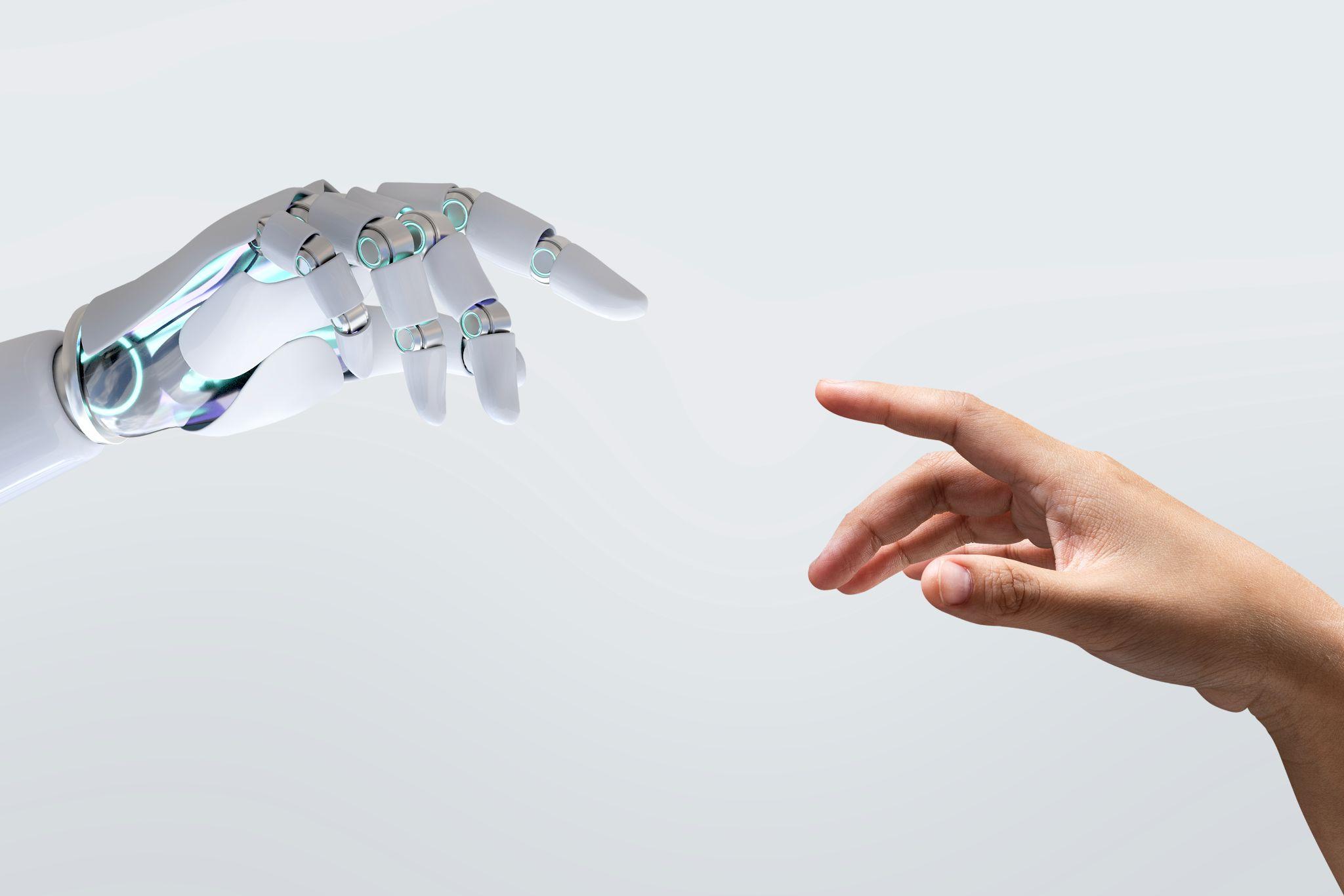
The answer to whether AI spells doom or progress for the design world may well be that it’s a bit of both. The key lies in adaptation. Canny designers will find a way to harness the power of AI while nurturing the human skills that machines currently cannot master.
Empathy, context-specific problem-solving, and the ability to imbue work with meaning are all out of reach, at least for now, for AI systems.
Conclusion
AI-generated design is powerful, no doubt. To dismiss it outright would be remarkably shortsighted. Equally wrong is complete surrender to algorithms. The designers most likely to thrive going forward will be those who see AI as a tool that requires a skillful hand to wield it well (with limited use).