
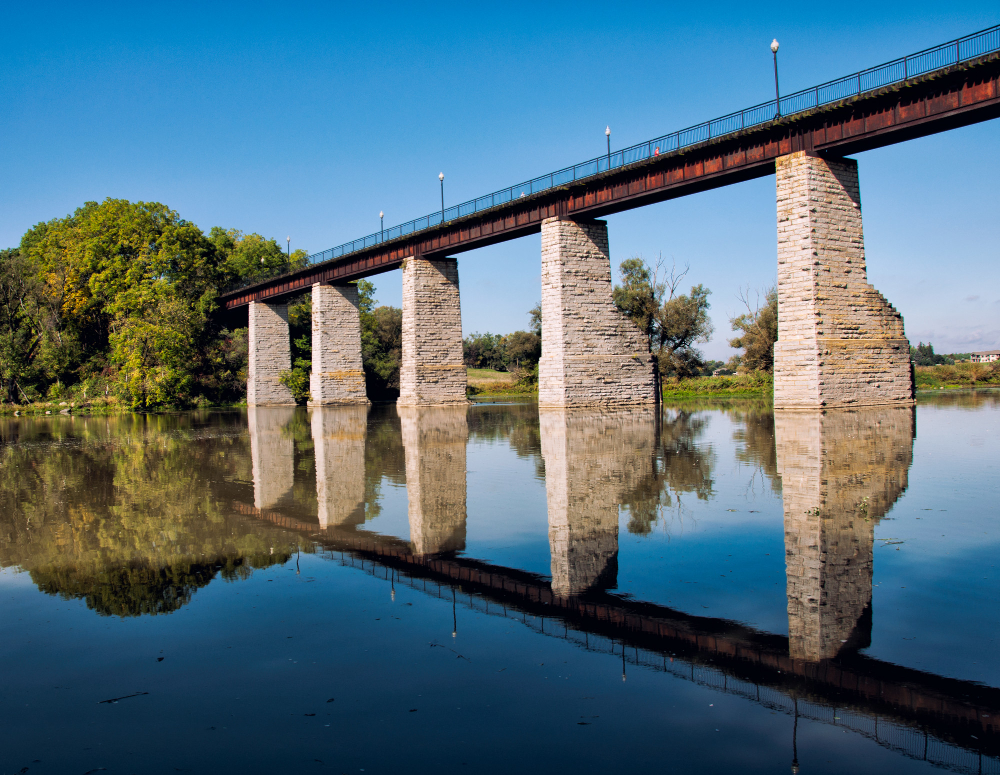
Bridges are more than mere structures to get us from point A to point B. They are grand testaments to the cleverness of humankind, the audacity of engineers, and the raw power of physics transformed into elegant solutions. Let’s dive into the fascinating world of bridges, shall we?
The Mighty Beam: Sturdy and Straightforward
Imagine a robust plank laid across a stream – that’s the fundamental essence of a beam bridge. This simple, yet profoundly effective design relies on the beam’s resistance to bending forces. From humble timber footbridges to modern steel behemoths, beam bridges efficiently handle short to moderate spans.
Simple Beams: The most unadorned of the lot. A single beam, supported on either side, does the trick for those smaller gaps.
Continuous Beams: When a single beam won’t cut it, we simply add more supports! Continuous beams stretch across multiple points, allowing them to cover greater distances.
Girders Galore: For hefty loads and wider spans, beam bridges call in the reinforcements – multiple parallel beams called girders. Now you’re talking serious strength and versatility!
Tremendous Trusses: Triangles Take Over
The truss bridge – where geometry meets engineering excellence. Picture a network of interconnected triangles; this distribution of forces gives trusses incredible rigidity even with relatively lightweight materials. Whether crafted from wood, steel, or a clever combination, these marvels efficiently traverse sizable distances.
The Proper Pratt: Diagonals slope downwards towards the centre – it’s orderliness personified. Efficient and straightforward to build, you see them everywhere.
Wonderful Warrens: A symphony of equilateral triangles! These beauties offer both strength and stiffness in a pleasing pattern.
The Historic Howe: Diagonals now slant away from the centre. These were the darlings of the wooden bridge era.
Arches: Ancient Elegance Meets Modern Might
There’s something undeniably timeless about an arch bridge. As loads bear down, the arch masterfully transforms those forces into compression, pushing outwards into its sturdy abutments. From ancient stonework to sleek steel spans, arches exude strength and beauty.
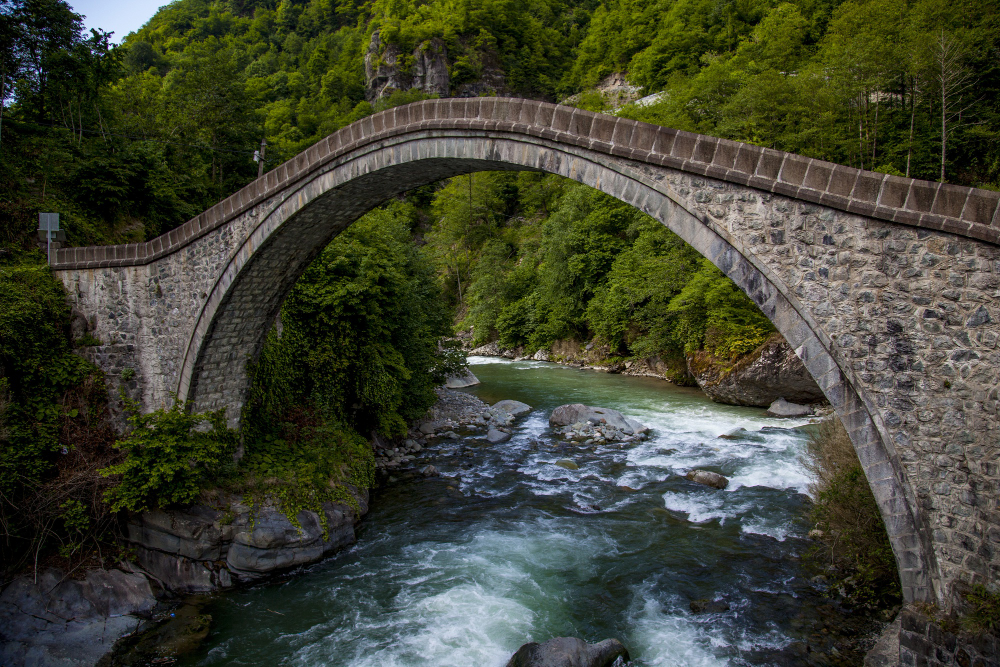
Above the Arch: Deck Arches Here, the roadway sits atop the arch, like a traveller with a magnificent view.
Through the Arch: Dramatic Flair The road passes directly through the arch itself! Awe-inspiring, wouldn’t you say?
Tied Arches: When Stability is Key A tie beam joins the ends of the arch, preventing outward thrust for those extra-long crossings.
Cable-Stayed: Where Cables are King
Graceful and strikingly modern, cable-stayed bridges captivate the eye. Towers rise high, with cables fanning out directly to the deck, bearing its weight with a certain artistic flair. These beauties boast impressive spans, pushing the boundaries of bridge design.

Fans of Efficiency: Imagine cables radiating from atop the tower, like a grand sunburst, holding the deck aloft.
Harp-like Harmony: Parallel cables running down from the towers evoke the image of a colossal harp – a symphony of strength and aesthetic grace.
Suspension: Bridge-Building Legends
The icons, the record-breakers – none can deny the grandeur of the suspension bridge. Those impossibly long cables strung between immense towers, with vertical hangers gracefully holding the deck…these masterpieces redefine what a bridge can achieve. Picture the Golden Gate Bridge, or our very own Humber Bridge – such stunning feats of human ingenuity!

Beyond the Basics
Of course, bridges refuse to be neatly categorised all the time. You’ll encounter:
Cantilever Bridges: Beams audaciously jutting out, anchored on only one side, testing the very balance of forces.
Moveable Bridges: We have bascule bridges that lift, swing bridges that pirouette, even transporter bridges with little gondolas zipping along. Necessity, after all, is the mother of invention!
Materials Matter: From Stone to Steel
Throughout history, bridges reflected the materials of their time. Early builders relied on the gifts of nature – sturdy timber and resilient stone. Arches, so naturally suited to masonry, became symbols of Roman and mediaeval craftsmanship. Then came the Iron Revolution, transforming possibilities with cast and wrought iron. These bridges embodied the power and progress of the Industrial Age.
But it’s steel that truly reigns supreme in modern bridge construction. Different grades offer varying strengths, malleability, and resistance to the elements. Bridges can now be lighter, stronger, and pushed further than ever before. And let’s not forget concrete, particularly reinforced concrete! Its blend of compression-handling prowess and moldability gives rise to elegant and innovative forms.
The Beauty of Bridges
Bridges aren’t just about efficiency, mind you. Some are functional workhorses, while others are true works of art. A well-designed bridge complements its surroundings, whether it’s blending seamlessly into a natural landscape or making a bold architectural statement in an urban jungle.
Think again of the arch, its shape echoing the curve of a rainbow. Cable arrangements in cable-stayed bridges offer a mesmerising interplay of lines against the sky. Even the truss has a certain geometric appeal in its repetition and order. Bridge details can be delightful as well – consider ornate ironwork on historic bridges or the graceful sweep of modern supports.
The Challenges: Wind, Water, and the Unexpected
Building bridges, particularly ambitious ones, is no stroll in the park. Engineers must contend with the relentless forces of nature. Wind can whip and cause dangerous vibrations, particularly in long, slender structures. Water, with its corrosive power and potential for scouring around bridge foundations, poses a constant threat. Earthquakes shake the very ground a bridge relies upon.
Even unexpected events must be considered. A flock of birds nesting under a bridge might seem harmless, but their droppings can be surprisingly corrosive over time! Then, of course, there are the challenges posed by us humans – vehicle weights have increased exponentially, testing the limits of even the most robust bridges.
Maintenance: An Unglamorous Necessity
Ah, the less glamorous, but absolutely vital aspect – maintenance. Bridges, like any structure exposed to the elements, require care. Steel rusts, concrete can develop cracks, cables need inspection. Teams of intrepid workers repaint, resurface, and meticulously examine these structures year after year. For without proper care, even the grandest bridge will succumb to the ravages of time.
You May Also Like:
A Final Note
Bridges aren’t merely about getting from here to there – they symbolise connection. They link communities, facilitate trade, and sometimes even inspire awe. Next time you’re caught in traffic on one, perhaps spare a thought for the clever minds who designed it, the hardy souls who built it, and the quiet work of keeping it safe and sound for journeys yet to come.