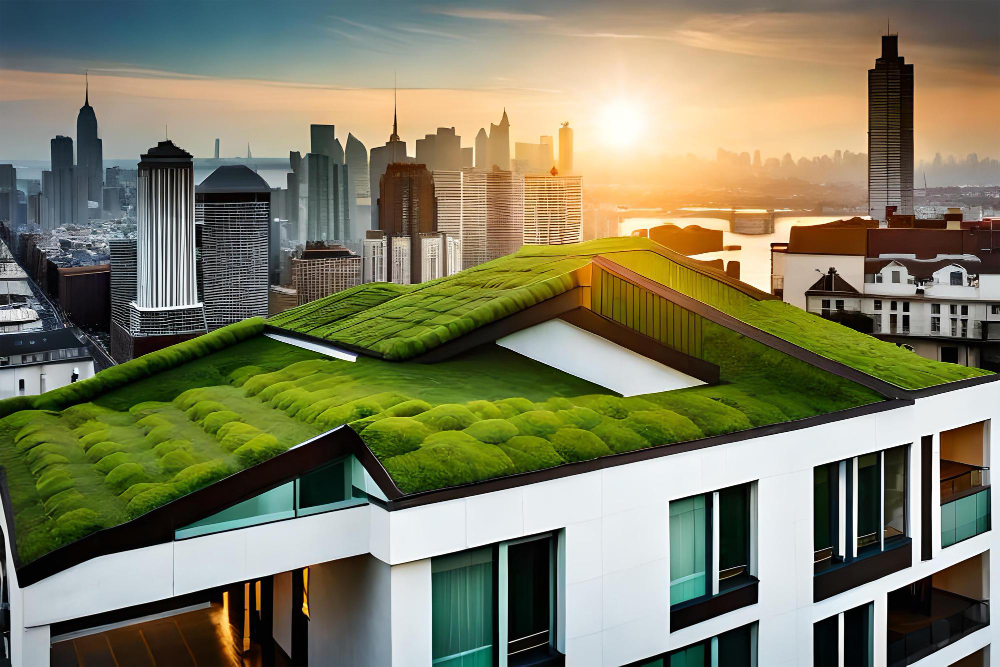
The notion of rooftops covered in greenery might initially bring to mind quaint cottages or Hobbit dwellings. However, green roofs offer far more than a touch of rural charm. These innovative, living spaces are poised to become an integral part of the urban landscape, offering a remarkable array of advantages for our environment and the very fabric of city life.
Understanding the Mechanics of a Green Roof
Green roofs are hardly a whimsical, spontaneous occurrence of nature reclaiming rooftops. Rather, they are carefully designed systems. Imagine them as a series of layers: firstly, a robust waterproofing membrane to protect the building; then, a barrier to shield roots; a drainage system lies beneath, and finally, the growing medium and carefully chosen vegetation.
Two broad types of green roofs exist:
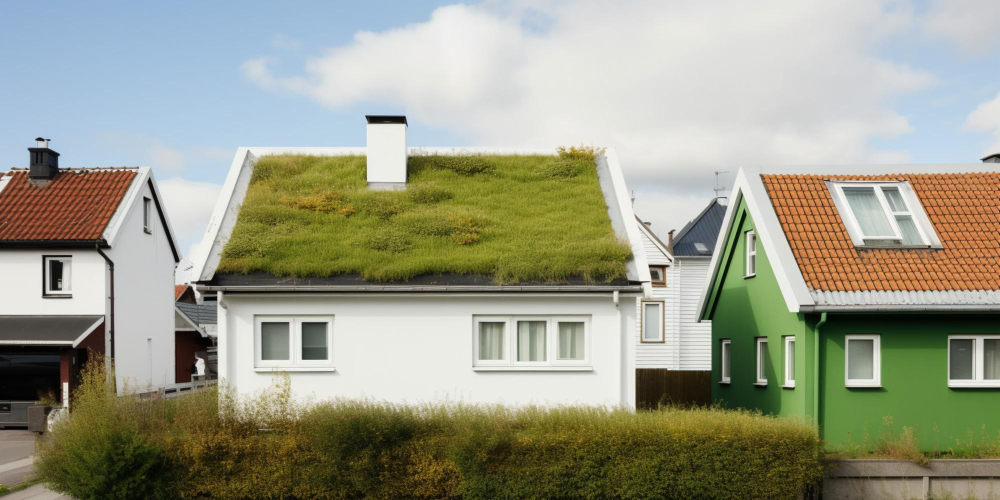
Extensive Green Roofs: These are as unfussy as nature gets: a shallow soil depth limits vegetation to low-growing, hardy plants like succulents, mosses, and herbs. Think of it as a touch of the wild, needing minimal attention.
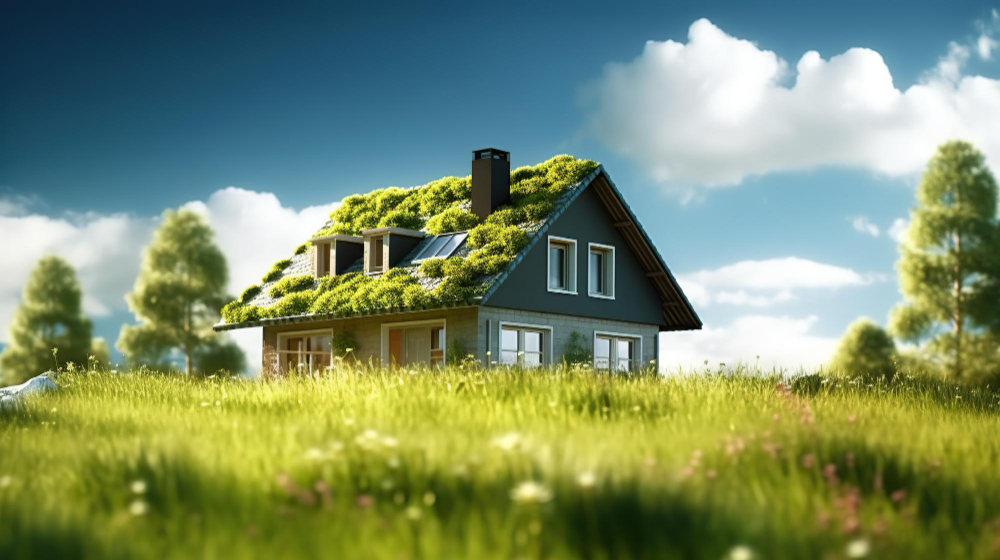
Intensive Green Roofs: If extensive roofs are akin to meadows, intensive roofs bear more resemblance to gardens. With deeper soil, they can accommodate a wider variety of plants, including shrubs, flowering perennials, and even modest trees. Naturally, these necessitate more robust structural support and attentive maintenance.
The Bountiful Benefits of Going Green on Top
The advantages of green roofs extend far beyond the aesthetic appeal they offer. Let’s explore some of the most profound benefits:
1. Champions of Environmental Causes
Managing Stormwater: Dense urban environments can struggle with stormwater runoff. Traditional rooftops channel rainwater away in vast torrents, overwhelming sewers. Green roofs, with their sponge-like qualities, soak up substantial rainfall, easing the burden on drainage systems and helping reduce flood risks.
Thwarting the Urban Heat Island Effect: Anyone who’s stepped from the relative shelter of a park into a sprawling car park understands this phenomenon! Cities, with their swathes of concrete and asphalt, become significantly warmer than their surroundings. Green roofs, through the natural cooling processes of plants, help lessen this undesirable effect.

Filtering the Air We Breathe: Plants on green roofs are remarkably adept at capturing airborne particles and pollutants, acting almost as natural air purifiers. Additionally, photosynthesis replenishes the air with oxygen, creating small, localised improvements in air quality.
Contributing to a Greener World: Amidst the city bustle, green roofs provide a sanctuary for carbon dioxide absorption, adding their small but vital part in mitigating the effects of climate change.
2. Bolstering Energy Efficiency (and Your Wallet!)
Nature’s Insulation: Green roofs perform a wonderful balancing act with temperature. In summer, their layers insulate the building, reducing the need for air conditioning. Conversely, in the colder months, they help to retain warmth within, lessening the demand for heating. This all amounts to a lighter impact on your energy bills.
Reducing Reliance on Fossil Fuels: The insulation green roofs provide leads to a lowered energy demand overall, also reducing strain on power sources that burn fossil fuels.
3. Loyal Guardians of Your Roof
Protecting the Essentials: Green roofs act as a shield for a building’s primary waterproofing membrane. They deflect harmful UV rays, buffer against the extremes of weather, and generally protect against the wear and tear roofs endure. This translates into potentially doubling or even tripling the lifespan of your roof, saving you a considerable expense in the long run.
4. Boosting Biodiversity and Our Connection to Nature
Sanctuaries in the City: Green roofs are like miniature oases of green in a sea of concrete. They provide vital havens for birdlife, insects (bees and butterflies particularly appreciate them), and a host of other beneficial creatures. They create vital links between isolated green spaces, allowing urban ecosystems to breathe a bit better.
5. Economic Advantages
Boosting Property Values: The appeal of a building with a green roof – both its aesthetic charm and its green credentials – can add to its value in the property market.
A Source of New Jobs: Designing, constructing, and caring for green roofs provides employment in diverse sectors, contributing positively to local economies.
Savings that Keep Growing: While a green roof is an investment, the energy savings it delivers can offset those costs and continue to benefit your budget year on year.
6. Elevating Urban Wellbeing
Transforming the Urban Aesthetic: Green roofs break up the monotony of concrete and stark rooftop vistas. They provide colour, texture, and a sense of vibrancy that improves the visual landscape for all who look upon them.
Creating Usable Space: Well-designed intensive green roofs can offer valuable outdoor space in crowded cities. Imagine relaxing amidst greenery high above the street-level bustle, enjoying the benefits of biophilic design right on your doorstep.
Buffering Against Noise: Those who reside or work beneath a green roof will likely experience a quieter environment, thanks to the sound-absorbing properties of plants and soil.
A Boon for Mind and Spirit: Research consistently shows the connection between green spaces and improved wellbeing. The simple presence of a green roof can offer psychological benefits, easing stress, and creating a more tranquil atmosphere.
Considerations and Future Innovations
While green roofs are a remarkable innovation, some additional considerations are worth noting:
Structural Strength: Not every building is readily equipped to handle the weight of a green roof, particularly an intensive one. Retrofitting may require structural reinforcements, adding to project costs.
Upfront Costs: Initial installation costs can be a hurdle, though long-term energy savings and other benefits make them a worthwhile investment.
Maintenance Needs: While extensive green roofs demand minimal upkeep, intensive ones require more dedicated maintenance – tending to plants, ensuring proper irrigation, and other gardening tasks.
Navigating Regulations: Local permits and planning permissions may govern the feasibility and design of a green roof project. Understanding these regulations is vital.
The Trend is Upwards
Despite these considerations, awareness of the vast potential of green roofs is increasing. Cities worldwide are taking note, with some offering incentives or even mandates to encourage their use. Green roof technology and design are also constantly evolving.
The ways in which we integrate green roofs into our urban spaces will continue to diversify:
Beyond the Home: Individual homeowners are increasingly aware of the benefits for both themselves and the environment.
The Business Angle: Corporations understand that green roofs go beyond good PR – they enhance energy efficiency, and offer a powerful marketing message of environmental responsibility.
The Public Sphere: Parks, government buildings, libraries, and schools are embracing this upward trend, building accessible green roofs for the whole community to enjoy.
An Optimistic Outlook
As cities grapple with growing populations, increasing pollution, and the escalating effects of climate change, solutions are key. Green roofs offer a remarkable step forward, providing a multitude of benefits with a relatively small footprint. The future holds exciting possibilities:
The Solar Synergy: The marriage of green roofs and photovoltaic cells could maximise roof space, generating clean energy while enjoying the cooling and protective benefits offered by vegetation.
Feeding our Communities: Imagine urban rooftops producing food – edible gardens atop buildings can support localised food production and promote healthy eating.
Water Wise: Advances in technology will allow green roofs to play an even greater role in rainwater harvesting and reuse, making cities more resilient against droughts and water shortages.
You May Also Like:
Greening the Urban Horizon
Green roofs stand as a symbol of our evolving relationship with the urban environment. They represent a choice and an investment – a commitment to creating spaces that are not only functional but also life-enhancing. As we look to the future (and our rooftops), we see a promising shade of green, transforming our cities from the top down.