The architectural landscape is evolving, shaped by a remarkable confluence of computational power and design ingenuity. Parametric design, this extraordinary methodology, allows architects to infuse buildings with fluidity, intelligence, and a complexity scarcely imagined in eras past. It’s a testament to the human capacity to harness the power of algorithms, to express ourselves through forms both audacious and elegant.
The Essence of Parametric Design
Picture, if you will, a set of architectural blueprints, not as static lines and figures, but as a vibrant ecosystem of interconnected elements. Within this realm reside parameters – dimensions, material properties, environmental conditions – and the rules that guide their relationships. Much like a mathematical equation, by altering variables and adjusting the logic governing them, the design itself transforms. This is the essence of parametric design.

Traditional design practices can often feel akin to navigation with a compass and sextant; there’s an element of predictability, a reliance on established methods. Parametric design, by contrast, bestows an architect with a remarkable degree of fluidity. Changes propagate across the model in real-time, allowing for rapid exploration and refinement. It’s a dance of creativity and calculation.
The Fruits of Parametric Labour
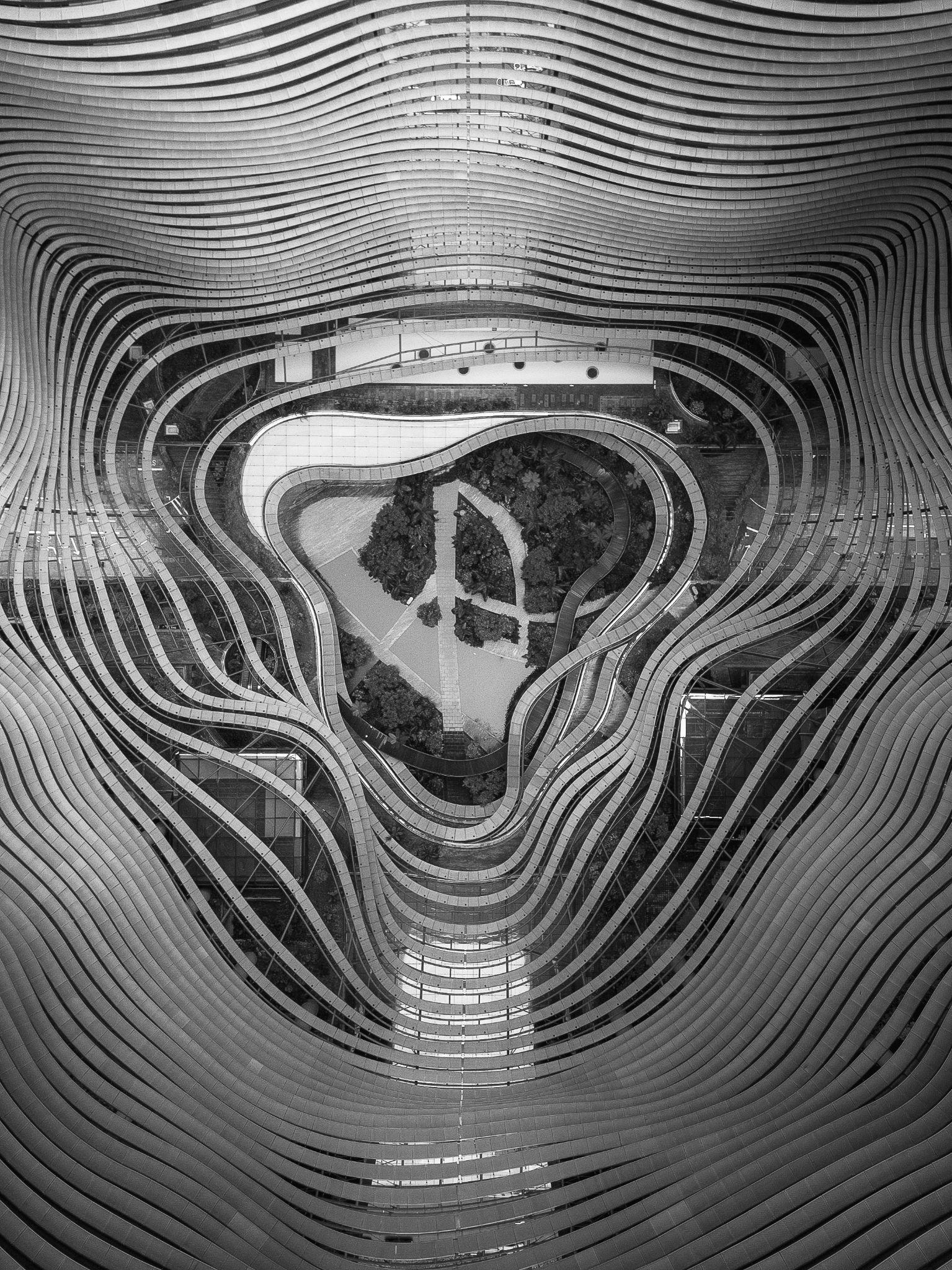
Forms of Remarkable Complexity: The limitations that once bound architectural form have begun to dissolve. Parametric design underpins the creation of structures seemingly unbound by conventional geometry – think spiralling museums, buildings draped in flowing metallic skins, and edifices resembling otherworldly organisms. It’s an invitation to push the boundaries of the built environment.
Design Led by Performance: Parametric models are far more than digital sketches. They are imbued with knowledge – about sunlight, wind patterns, the physics of material stresses. Imagine a building facade designed not simply for its appearance, but as an intelligent system; calculated to maximise daylight in winter, and temper the sun’s glare in summer. Parametric design allows for the marriage of the aesthetic and the practical.
A Spirit of Collaboration: The data-rich nature of parametric models facilitates a harmonious dialogue between architects, engineers, and those tasked with fabrication. It’s about far more than generating pretty pictures; it’s about establishing a shared language from concept to construction. The ability to refine a design with precision streamlines this collective endeavour.
Customisation, Not Conformity: The parametric approach hints at a future where buildings adapt themselves to our individual needs. No longer need we be confined to standardised forms. Picture responsive architectural components tailored to site, climate, or personal preference. Mass customisation, once the preserve of manufactured goods, begins to seep into the world of buildings.
A Note on Tools and Techniques
The tools of a trade shape the outcomes, and parametric design is no different. It has flourished alongside extraordinary advances in computer-aided design:
Visual Programming Tools: Software such as Grasshopper and Dynamo offer a remarkably accessible gateway to parametric thinking. Instead of lines of code, designers build algorithms visually, connecting nodes and logic gates – a tangible way to manipulate complex geometry.
Scripting – For the Adventurous: Architects with a dash of coding courage may delve into languages like Python. This offers unparalleled flexibility to tinker with the underlying mechanics of parametric models, automating tasks and generating unique forms.
Generative Design – Serendipity Guided by Goals: In this intriguing realm, the architect defines constraints and ambitions, and the computer explores countless possible solutions. It’s akin to setting up a vast evolutionary experiment, where designs are judged on their fitness for purpose. The unexpected can flourish under such conditions.
Navigating the Complexities
Like any potent tool, parametric design is not without its challenges. The seemingly limitless options afforded by this method can, paradoxically, lead to a form of design paralysis. It’s vital that architects retain a strong sense of intent, lest they become lost in a sea of algorithmic variations. Moreover, the transition from complex parametric models to the realities of construction can present difficulties. Collaboration with engineers and fabricators is crucial to ensure that a design’s integrity remains intact as it moves from the digital realm to the physical.
Beyond Buildings, Into the Realm of the Everyday
While parametric design’s impact on landmark architecture is undeniable, its influence may very well extend to the objects that populate our daily lives. Imagine intricately sculpted furniture tailored to our body, lighting that responds to our moods, or urban infrastructure that adapts itself to the flow of people and traffic. This computational approach holds the potential to reshape not just our cities, but the very world around us.
Is it Art, or Merely Engineering?
A question that will undoubtedly spark debate is whether parametrically generated structures, striking as they may be, truly constitute works of architecture. Some may argue that the overreliance on algorithms strips away a human element vital to the art form. Others might counter that it simply expands the architect’s toolkit, allowing them to express themselves in ways unimaginable with traditional methods. It’s a debate that speaks to the heart of how we define creativity in an age where authorship is shared with intelligent machines.
The Future of Parametric Design
Materials as a Driving Force: As the field of materials science continues to advance, we may witness parametric tools used not simply to shape materials, but to design their very properties. Imagine structures that adjust their stiffness in response to load, or facades that regulate their transparency based on sunlight. Architecture could become a dynamic, responsive organism.
A Vernacular Shift: Could parametric design principles influence architectural styles that feel less ‘alien’ and more deeply rooted in regional contexts? We might see computationally-derived forms that evoke traditional craftsmanship or respond organically to vernacular building materials.
Democratised Design: It’s conceivable that parametric tools could become more accessible to the general public. Might we see a day when individuals have a hand in shaping their own living spaces, guided by intuitive design software? Such a development would have profound implications for the relationship between people and the built environment.
A Final Note
Parametric design is not a panacea, nor should it be viewed as a replacement for traditional architectural knowledge and intuition. Its greatest potential lies in how it might augment the skill of the architect, expanding their creative reach and ability to solve problems of extraordinary complexity. It marks not an end, but a thrilling new chapter in our enduring quest to shape the spaces that shape us.